Vibe coding is a revolutionary approach to software development where users create functional applications using natural language prompts and AI assistance rather than writing manual lines of code. Essentially, the “vibe” refers to the high-level intent and description provided by the user, which the AI then translates into a working product. This shift is so significant that the Collins Dictionary named “vibe coding” as the Word of the Year for 2025.
For the first time in history, the barrier to entry for creating software has vanished. You no longer need a computer science degree to build a tool; you simply need to be able to describe what you want. However, this rapid evolution is creating friction with established tech giants and introducing new security challenges that the industry must solve.
Table of Contents
- What Exactly is Vibe Coding?
- The Most Powerful Vibe Coding Tools Today
- How Vibe Coding is Democratizing App Creation
- The Dark Side: Security Risks and AI Slop
- The Apple App Store Battle: Guidelines vs. Innovation
- The Future: Will Software Development Become Free?
- Practical Tips for Starting Your Vibe Coding Journey
- Frequently Asked Questions
What Exactly is Vibe Coding?
At its core, vibe coding is the transition from writing code to directing code. In traditional programming, a developer must understand syntax, memory management, and specific language rules. In vibe coding, the human acts as a product manager or an architect, providing the “vibe” or the vision, while an AI agent handles the technical execution.
The Shift to Natural Language
Instead of typing function calculateSum(a, b) { return a + b; }, a vibe coder might simply tell an AI, “Make a calculator app that looks like a 1980s neon sign and can handle currency conversion.” The AI then generates the HTML, CSS, and JavaScript required to make that vision a reality. This process allows for rapid prototyping and iteration, as changes can be requested in plain English.
Agentic Coding and Autonomy
Modern vibe coding often utilizes “agentic” tools. Unlike simple autocomplete features, agentic coding tools can plan multi-step tasks, execute them, test the results, and fix their own errors. For example, Anthropic’s Claude Code is a prime example of this, with its creator noting that the latest version of the tool was actually written by the AI itself.
The Most Powerful Vibe Coding Tools Today
Several platforms have emerged to lead the vibe coding movement, each offering different levels of accessibility and power. These tools are shifting the focus from the keyboard to the prompt.
Industry Leaders in AI Generation
- Claude Code & OpenAI Codex: These are high-end agentic tools capable of building complex software structures from scratch. Codex, in particular, has seen major updates to improve its ability to act as an autonomous developer.
- Replit & Vibecode: These platforms allow users to build and deploy applications instantly. They are popular because they combine the coding environment with hosting, making the jump from “idea” to “live URL” nearly instantaneous.
- Google Opal: Integrated into Gemini, Opal allows users to create “mini apps” via text prompts, which are then saved as reusable Gems. Google has even teased that users will soon be able to vibe code entire video games.
Hardware Integration
Vibe coding is moving beyond the desktop. Nothing has introduced an Essential Apps Builder for its Phone 3 users, allowing them to generate personalized apps and widgets. Similarly, Samsung is reportedly exploring vibe coding tools for Galaxy smartphones to let users customize their user interfaces and first-party apps through AI.
How Vibe Coding is Democratizing App Creation
The most significant impact of vibe coding is the removal of the “technical gatekeeper.” For decades, if you had a great idea for an app but didn’t know how to code, you had to hire an expensive developer or spend years learning a language like Python or Swift.
Empowering Non-Technical Founders
Vibe coding allows entrepreneurs to build Minimum Viable Products (MVPs) in hours rather than months. This democratization means that the quality of an app is now determined more by the quality of the idea and the clarity of the prompt than by the technical skill of the creator. We are seeing a surge of “solopreneurs” building million-dollar businesses using AI-generated foundations.
Rapid Iteration and Personalization
Because modifying a “vibe” is faster than rewriting a codebase, users can personalize their software on the fly. Imagine a world where your productivity app changes its layout and features based on a simple conversation you have with it every Monday morning. This level of hyper-personalization is only possible through the fluid nature of vibe coding.
[Image Suggestion: A split-screen graphic showing a complex wall of traditional C++ code on the left and a simple natural language prompt like “Build me a budget tracker with a dark mode” on the right. Alt text: A comparison between traditional programming and vibe coding.]
The Dark Side: Security Risks and AI Slop
While the speed of vibe coding is exhilarating, it comes with a dangerous trade-off: the creation of “security debt.” When AI generates code, it doesn’t always prioritize security; it prioritizes functionality—making the app “work” based on the user’s prompt.
The Rise of AI Slop and Vulnerabilities
Industry experts have coined the term “AI slop” to describe low-quality, unverified code that fills up modern codebases. Because AI can write code faster than a human can read it, many developers are shipping software without fully understanding how it works. This has led to a surge in AI-generated CVEs (Common Vulnerabilities and Exposures). For instance, researchers have noted a rise in vulnerabilities in tools like the Gemini CLI and the Cursor code editor, where malicious repositories can trigger automatic task execution.
The Trust Bottleneck
As noted by Fortune, the bottleneck in software development has shifted from writing to verifying. Companies now need “governance and trust layers” to ensure that AI-generated code is secure and compliant. Tools like Qodo are emerging to provide this critical review layer, acting as the “official wisdom” that checks the AI’s work before it hits production.
Malware and Phishing
The ease of vibe coding is also being weaponized. The VoidLink malware framework is believed to have been created by a single person using AI. Additionally, platforms like Lovable have had to partner with cybersecurity firms like Guardio to block malicious phishing sites created via vibe coding tools before they can go live.
The Apple App Store Battle: Guidelines vs. Innovation
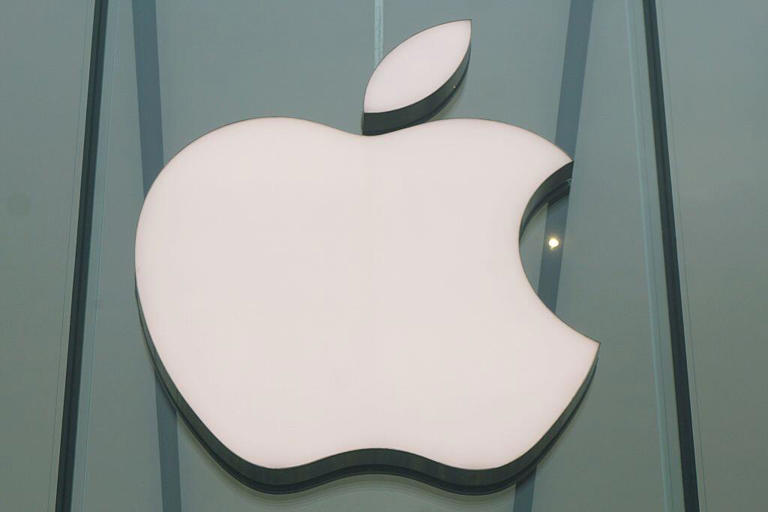
One of the most public conflicts in the vibe coding era is the standoff between Apple and AI app developers. Apple has recently blocked updates for several popular vibe coding apps, including Replit and Vibecode.
The Guideline 2.5.2 Conflict
Apple cites Guideline 2.5.2, which prohibits apps from downloading or executing standalone code that changes the primary features of the software. Because vibe coding apps often generate and execute code on the fly to fulfill user requests, Apple views them as a potential security backdoor that bypasses the official App Store vetting process. According to MacObserver, this creates a tension between the “walled garden” of iOS and the open nature of generative AI.
Strategic Implications
Critics argue that Apple’s crackdown isn’t just about security, but about competition. Apple is integrating its own agentic coding features into Xcode (its official development tool) using OpenAI Codex and Claude. By restricting third-party vibe coding apps, Apple ensures that the most powerful creation tools on its platform are those it controls. For developers, the only way forward is often to move generated apps into a separate browser window rather than running them natively within the app.
The Future: Will Software Development Become Free?
The trajectory of vibe coding suggests a radical shift in the economics of the tech industry. Some leaders believe we are heading toward a world where the cost of creating software drops to zero.
From Fixing Code to Generating Fresh Software
The CEO of Hexaware, R Srikrishna, predicts that companies may soon stop spending millions on fixing and maintaining legacy code. Instead, they will simply use vibe coding to generate a fresh, updated version of the software from scratch whenever a change is needed. This would eliminate the concept of “technical debt” entirely.
The New Role of the Developer
The role of the software engineer is evolving into that of a System Verifier. Instead of spending 80% of their time typing, developers will spend 80% of their time auditing AI outputs, designing system architecture, and ensuring security compliance. The “coder” is becoming a “curator.” You can learn more about this transition in our guide on [AI-driven development strategies](#internal-link-placeholder).
Practical Tips for Starting Your Vibe Coding Journey
If you want to start building with vibe coding, you don’t need to learn a language, but you do need to learn how to communicate. Here is a checklist for success:
Mastering the Prompt
- Be Specific: Instead of saying “Make a weather app,” say “Make a weather app that uses the OpenWeather API, has a minimalist white interface, and shows a 5-day forecast for the user’s current location.”
- Iterate in Steps: Don’t try to build the whole app in one prompt. Start with the core feature, verify it works, and then add layers of complexity.
- Ask the AI to Explain: To avoid “AI slop,” ask the AI to explain why it chose a specific library or method. This helps you maintain a level of oversight.
Implementing a Verification Loop
Never ship vibe-coded software directly to production without a verification step. Use a second AI model to critique the code generated by the first, or use dedicated AI review tools to scan for vulnerabilities. This “flow engineering” approach ensures that your app is not only functional but secure.
Frequently Asked Questions
What is the difference between vibe coding and traditional coding?
Traditional coding requires writing syntax in a specific programming language. Vibe coding uses natural language prompts to describe the desired outcome, leaving the actual writing of the code to an AI agent.
Is vibe coding safe for enterprise use?
Not without a verification layer. Because AI can introduce subtle bugs and security vulnerabilities, enterprises must use a “governance and trust layer” to audit and verify AI-generated code before deployment.
Why is Apple blocking vibe coding apps?
Apple is concerned about dynamic code execution. Their guidelines prohibit apps from downloading or running code that changes the app’s functionality, as this could be used to bypass App Store security checks.
Do I need to know how to code to use vibe coding tools?
No, you do not need prior coding knowledge. However, understanding basic logic and how software structures work can help you write better prompts and verify that the AI is producing the correct results.
Which tools are best for beginners in vibe coding?
Replit and Google’s Opal (within Gemini) are excellent starting points because they handle both the creation and the hosting of the app in one place.