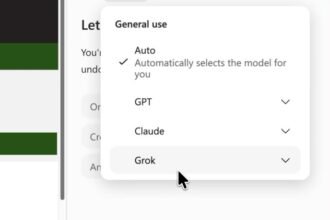
The world of artificial intelligence is moving at an incredible pace, with major players like OpenAI, Google, and Anthropic continuously releasing powerful new AI model breakthroughs. These advancements are not just technical feats; they are reshaping how we interact with technology, automate tasks, and even approach complex problem-solving. From enhanced large language models (LLMs) to specialized AI agents, understanding these updates is key for anyone following the digital landscape.
This article will break down the latest significant AI model releases, what they mean for general users and professionals, and what to keep an eye on next.
Table of Contents
-
Key Takeaways from the Latest AI Model Launches
-
OpenAI’s Latest: GPT-5.6 and Strategic Shifts
-
GPT-5.6: Powering Microsoft Copilot and Beyond
-
Beyond Chatbots: OpenAI’s Evolving Ambitions
-
Challenges and Controversies
-
Google’s Agentic Era: Gemini Omni and DeepMind Innovations
-
Gemini Omni: A New Frontier for AI Agents
-
Practical Applications of Gemini’s Advancements
-
AI for Global Impact: Crisis Resilience
-
Anthropic’s Focus on Safety and Performance: Fable 5 and Claude
-
Fable 5 and Sonnet 5: Performance and Safeguards
-
Claude Cowork: AI for Everyday Productivity
-
Why These New AI Models Matter for You
-
Impact on Daily Life and Work
-
Opportunities for Creators and Businesses
-
What to Watch Next in the AI Model Landscape
-
FAQ: Understanding New AI Models
Key Takeaways from the Latest AI Model Launches
- OpenAI’s GPT-5.6: Now the preferred model for Microsoft Copilot 365, indicating a significant leap in enterprise integration and performance.
- Google’s Gemini Omni: Google DeepMind is pushing into an “agentic Gemini era” with models like Gemini Omni and Gemini 3.5 Flash, focusing on computer use and expanded API capabilities.
- Anthropic’s Fable 5 & Sonnet 5: Anthropic continues to advance its Claude models, with Fable 5 returning globally and Sonnet 5 offering frontier performance for coding and professional tasks, alongside new safety frameworks.
- Broader AI Impact: These new AI models are driving significant changes across industries, from enhancing productivity to addressing global challenges like disaster resilience.
OpenAI’s Latest: GPT-5.6 and Strategic Shifts
OpenAI remains a central figure in the latest AI news, with recent announcements highlighting both advancements and evolving strategies. The company’s new family of models, including GPT-5.6, is making waves. According to TechCrunch, OpenAI recently launched its new family of models with GPT-5.6, which ZDNET reports is the preferred model for Microsoft Copilot 365, aiming to outperform competitors like Anthropic in speed, price, and productivity. This suggests a strong push into the enterprise space, making AI more accessible and efficient for businesses and professionals.
GPT-5.6: Powering Microsoft Copilot and Beyond
The integration of GPT-5.6 into Microsoft Copilot 365 is a major development. This means that users of Microsoft’s productivity suite can expect more powerful AI assistance, from drafting emails to generating content and analyzing data. This move solidifies OpenAI’s position in the practical application of AI, moving beyond experimental chatbots to essential workplace tools. ZDNET notes that OpenAI’s GPT-5.6 and ChatGPT Work are specifically designed to beat Anthropic on price, speed, and productivity, indicating a competitive landscape focused on real-world utility.
Beyond Chatbots: OpenAI’s Evolving Ambitions
While known for ChatGPT, OpenAI’s ambitions extend further. TechCrunch reports that OpenAI is shutting down Atlas, its AI browser, but its broader AI browser ambitions are still growing. This indicates a strategic pivot, likely towards integrating AI capabilities directly into existing platforms or developing more sophisticated, agent-like AI experiences. The company is also betting on families as ChatGPT goes deeper into households, suggesting a future where AI becomes an even more integral part of daily personal life, not just work.
Challenges and Controversies
Despite its advancements, OpenAI isn’t without its challenges. TechCrunch highlights that Apple is suing OpenAI over alleged trade secret theft. Such legal battles underscore the intense competition and complex ethical considerations that accompany rapid AI development. These issues often raise questions about data usage, intellectual property, and the responsible deployment of powerful AI technologies.
Google’s Agentic Era: Gemini Omni and DeepMind Innovations
Google is also making significant strides with its Gemini models, ushering in what it calls an “agentic Gemini era.” Google’s official AI news blog and Google DeepMind blog provide insights into these developments. This era emphasizes AI agents that can perform complex tasks and learn from interactions, moving towards more autonomous and intelligent systems.
Gemini Omni: A New Frontier for AI Agents
Google DeepMind recently introduced Gemini Omni, alongside Nano Banana 2 Lite and Gemini Omni Flash. These latest Gemini AI updates aim to provide developers and users with more powerful and flexible AI models. A key feature is the introduction of computer use in Gemini 3.5 Flash, allowing the model to interact with and understand digital environments more effectively. This paves the way for AI to handle more intricate tasks that require navigating software and online interfaces (Source: Google DeepMind News).
Practical Applications of Gemini’s Advancements
The Gemini app itself is evolving, bringing personalized image creation to more users and offering new study notebooks that feature personalized lessons, practice quizzes, and custom progress dashboards (Source: Official Google AI News). These features demonstrate a clear focus on practical applications for education and creative tasks. Furthermore, Google is expanding Managed Agents in the Gemini API, enabling background tasks and remote capabilities, which can significantly boost AI automation tools for businesses and developers.
AI for Global Impact: Crisis Resilience
Beyond consumer and business applications, Google is leveraging its AI breakthroughs for crisis resilience. This includes using AI to fight wildfires with new satellites and working towards a world where natural disasters no longer take people by surprise (Source: Official Google AI News). This highlights the potential of new AI models to address some of humanity’s most pressing challenges.
Anthropic’s Focus on Safety and Performance: Fable 5 and Claude
Anthropic, an AI safety and research company, continues to develop its Claude family of models with a strong emphasis on reliability, interpretability, and steerability. Their recent announcements showcase advancements in performance and a commitment to responsible AI development (Source: Anthropic Newsroom).
Fable 5 and Sonnet 5: Performance and Safeguards
Fable 5 is making a global return, and Anthropic is actively proposing an industry-wide framework for scoring jailbreak severity, collaborating with major tech companies like Amazon, Microsoft, and Google. This initiative underscores their dedication to creating secure and robust AI systems. Additionally, Sonnet 5 delivers “frontier performance” across coding, agents, and professional work at scale, making it a powerful tool for various advanced applications (Source: Anthropic Newsroom).
Claude Cowork: AI for Everyday Productivity
Anthropic’s Claude Cowork is proving to be a valuable asset for productivity, especially in non-coding jobs. ZDNET reports on users successfully employing Claude Cowork for tasks like managing Gmail inboxes, saving hours of work. This demonstrates the practical utility of these latest LLM updates in streamlining daily operations and enhancing efficiency for a broad range of users.
Why These New AI Models Matter for You
The rapid evolution of new AI models isn’t just for tech enthusiasts; it has tangible impacts on general readers, creators, small business owners, students, and professionals:
- Enhanced Productivity: Models like GPT-5.6 and Claude Cowork can automate routine tasks, assist with content creation, and streamline workflows, freeing up time for more strategic work.
- Improved Accessibility: Personalized learning tools from Gemini and more intuitive AI interfaces mean that advanced technology is becoming easier for everyone to use and benefit from.
- New Creative Tools: Features like personalized image creation in the Gemini app empower creators with powerful new capabilities, pushing the boundaries of digital artistry.
- Addressing Global Challenges: Google’s work on AI for crisis resilience shows how these models can be applied to solve real-world problems beyond personal or business use.
- Evolving Job Market: Companies embracing AI are hiring more people, including entry-level positions, as highlighted by ZDNET. This indicates a growing demand for skills related to AI tools and applications.
What to Watch Next in the AI Model Landscape
As these new AI models continue to develop, several key areas deserve attention:
- AI Safety and Ethics: With powerful models come greater responsibilities. Watch for continued efforts in developing robust safety frameworks and addressing ethical concerns, especially regarding data privacy and potential misuse.
- Agentic AI Expansion: The