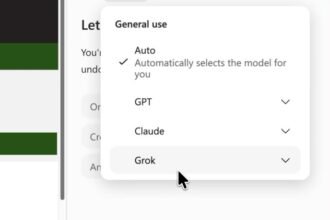
The artificial intelligence landscape is constantly evolving, with major players frequently unveiling significant updates and entirely new AI model breakthroughs. Recently, OpenAI, Google, and Anthropic have each introduced powerful new capabilities to their flagship models, marking a pivotal moment in the development of AI. These new AI model launches are not just incremental improvements; they represent a significant leap forward in how AI can be integrated into our daily lives and professional workflows.
From enhanced performance for complex tasks to more intuitive user experiences, these updates aim to make AI more accessible, powerful, and safe. Understanding these developments is crucial for anyone looking to leverage the latest in artificial intelligence, whether for personal use, creative projects, or business automation.
Table of Contents
- Key AI Model Launches You Need to Know
- OpenAI’s GPT-5.6: Enhanced Performance and Family Integration
- Google’s Gemini Omni & Flash Updates: Expanding Capabilities
- Anthropic’s Fable 5 and Sonnet 5: Safety and Scale
- Why These New AI Launches Matter
- Impact on General Users and Creators
- Implications for Businesses and Developers
- What to Watch Next in AI
- Quick Facts: The Latest AI Model Launches
- FAQ About New AI Model Launches
Key AI Model Launches You Need to Know
The past few weeks have seen a flurry of activity from leading AI developers. OpenAI has rolled out its GPT-5.6, Google has introduced Gemini Omni and significant Flash updates, and Anthropic has launched Fable 5 and Sonnet 5. Each of these latest LLM updates brings unique advancements designed to push the boundaries of artificial intelligence.
OpenAI’s GPT-5.6: Enhanced Performance and Family Integration
OpenAI has recently launched a new family of models, including GPT-5.6, which is already being highlighted as the preferred model for Microsoft Copilot 365. This indicates a significant step towards deeper integration of advanced AI into everyday productivity tools, offering enhanced efficiency and seamless workflows for users. GPT-5.6 is expected to deliver improved reasoning capabilities, faster response times, and a greater ability to handle complex, multi-faceted queries. Furthermore, OpenAI is focusing on integrating ChatGPT more deeply into households, suggesting a future where AI assistants become even more ubiquitous and personalized, assisting with everything from scheduling to creative tasks. This expansion means that Microsoft Copilot users, businesses relying on Microsoft 365, and general consumers will all experience the benefits of these more sophisticated AI AI automation tools. For more details on OpenAI’s advancements, you can visit TechCrunch and ZDNET.
Google’s Gemini Omni & Flash Updates: Expanding Capabilities
Google has been equally active, introducing Gemini Omni and Nano Banana 2 Lite. These models are designed to be highly versatile, pushing the boundaries of multimodal understanding and agentic behavior. A notable advancement is the introduction of computer use in Gemini 3.5 Flash, signaling Google’s move into an era where AI can interact more dynamically with digital environments. Google DeepMind’s blog highlights “computer use in Gemini 3.5 Flash” as a significant step, enabling the model to perform tasks that require interacting with software and browsing the web. This expands the scope of what latest Gemini AI updates can achieve, moving beyond just text generation to active problem-solving within digital interfaces. Furthermore, the Gemini app is bringing personalized image creation to more users, and new study notebooks help users learn with personalized lessons and practice quizzes, making AI a powerful educational tool. These updates mean broader application of AI, more dynamic and responsive AI agents, and enhanced problem-solving capabilities by allowing AI to interact with digital environments. For more detailed insights, the Official Google AI blog and Google DeepMind News are excellent resources.
Anthropic’s Fable 5 and Sonnet 5: Safety and Scale
Anthropic, known for its strong focus on AI safety and responsible development, has introduced Fable 5 and Sonnet 5. Fable 5 returns globally with enhanced cyber safeguards, accompanied by an industry-wide framework for scoring jailbreak severity, developed in collaboration with major tech players like Amazon, Microsoft, and Google. This initiative underscores Anthropic’s commitment to building reliable and secure AI systems, which is crucial for organizations prioritizing AI safety. Sonnet 5, on the other hand, delivers “frontier performance” across coding, agentic tasks, and various professional workflows at scale. It represents a significant leap in efficiency and capability for enterprise-level applications, providing robust performance for critical applications. Additionally, Anthropic has launched Claude Science, a customizable AI workbench designed specifically for researchers, integrating common tools and packages to produce auditable artifacts and provide flexible access to computing resources. These advancements are detailed on Anthropic’s Newsroom.
Why These New AI Launches Matter
These recent latest AI news launches from OpenAI, Google, and Anthropic are more than just technical upgrades; they signify a maturing AI ecosystem and a fierce but healthy competition driving rapid innovation. Each company is carving out its niche while simultaneously pushing the boundaries of what AI can do. The focus on deeper integration into existing platforms (GPT-5.6 with Microsoft Copilot), expanded interaction capabilities (Gemini’s computer use), and paramount safety alongside performance (Anthropic’s Fable 5 and Sonnet 5) indicates a strategic shift. We are moving towards an era where AI is not just a standalone tool but an embedded, intelligent layer across our digital lives, enhancing productivity, fostering creativity, and tackling complex problems with unprecedented efficiency and a growing emphasis on ethical considerations. These developments are setting new benchmarks for AI capabilities and accelerating the pace of technological advancement across the board.
Impact on General Users and Creators
For general users, these new AI model launches translate into more intuitive and powerful digital experiences. Imagine a ChatGPT that understands your family’s needs more deeply, or a Gemini that can help you research by actively browsing and summarizing complex information, then generating personalized study materials. Creators will find new avenues for content generation, from personalized image creation with Gemini to more sophisticated writing and coding assistance from GPT-5.6 and Sonnet 5. These models offer enhanced capabilities for brainstorming, drafting, editing, and even automating repetitive creative tasks, freeing up time for more innovative work. The improved performance and multimodal understanding mean that AI tools can now handle more nuanced requests, leading to higher quality and more relevant outputs for a diverse range of creative projects, from digital art to educational content.
Implications for Businesses and Developers
Businesses, especially small business owners, stand to gain significantly from these advancements. The integration of GPT-5.6 into Microsoft Copilot 365 means that everyday business tasks, from email drafting to data analysis, can become more efficient and intelligent. Gemini’s expanded capabilities, including computer use and agentic behavior, open doors for developing highly specialized AI automation tools that can interact with various software systems, streamlining operations and reducing manual effort. Anthropic’s Sonnet 5, with its strong performance in coding and professional work, provides developers with a robust foundation for building complex AI applications, while Fable 5’s safety features offer peace of mind for enterprises handling sensitive data. The emphasis on open-source AI, as noted by Hugging Face’s CEO, also means a broader ecosystem of tools and models for developers to leverage, fostering greater innovation and customization in areas like marketing, customer service, and operational processes.
What to Watch Next in AI
The rapid pace of latest LLM updates and AI model launches shows no signs of slowing down. Moving forward, keep an eye on several key trends. First, expect continued advancements in multimodal AI, allowing models to seamlessly understand and generate content across text, images, audio, and video. Second, the development of more sophisticated “agentic” AI systems, capable of performing complex, multi-step tasks autonomously, will be a major focus. This includes AI agents that can manage entire projects, interact with various software, and even conduct their own research. Third, the debate around AI safety, ethics, and regulation will intensify, with companies like Anthropic leading efforts to establish industry-wide standards. Finally, the role of open-source AI will remain critical, empowering smaller teams and fostering diverse innovation. The integration of AI into specialized domains, from healthcare to finance, will also accelerate, leading to highly tailored and impactful applications, redefining how industries operate.
Quick Facts: The Latest AI Model Launches
- OpenAI GPT-5.6: Preferred model for Microsoft Copilot 365, deepening AI integration into productivity, and expanding ChatGPT’s presence in households. Offers enhanced reasoning and faster responses for complex queries.
- Google Gemini Omni & Flash: Introduces “computer use” in Gemini 3.5 Flash for dynamic digital interaction, enabling the AI to browse and interact with software. Also offers personalized image creation and educational study notebooks.
- Anthropic Fable 5: Enhanced cyber safeguards and a collaborative industry-wide framework for AI safety and jailbreak severity scoring, emphasizing reliable and secure AI systems.
- Anthropic Sonnet 5: Delivers frontier performance for coding, agentic tasks, and professional workflows at scale, alongside the specialized Claude Science workbench for researchers, making it highly efficient for enterprise applications.
FAQ About New AI Model Launches
Q1: What is GPT-5.6 primarily used for?
GPT-5.6 is designed for enhanced performance in a wide range of tasks, particularly as the preferred model for Microsoft Copilot 365. This means it excels at improving productivity within Microsoft’s ecosystem, assisting with tasks like document creation, email management, and data analysis. Its integration also supports more personalized and complex interactions for general users as ChatGPT expands into household applications.
Q2: How does Gemini Omni differ from previous Gemini models?
Gemini Omni and its Flash updates introduce significant new capabilities, notably “computer use” in Gemini 3.5 Flash. This allows the AI to interact with software, browse the web, and perform tasks that require dynamic engagement with digital environments, making it more of an active agent rather than just a conversational model. It also brings personalized image creation and educational tools like study notebooks to users.
Q3: What makes Anthropic’s Fable 5 and Sonnet 5 stand out?
Anthropic’s models are distinguished by their strong emphasis on AI safety and ethical development. Fable 5 includes advanced cyber safeguards and contributes to an industry-wide framework for AI security. Sonnet 5 offers exceptional performance for complex coding, agentic tasks, and professional applications at scale, making it ideal for demanding enterprise environments while maintaining Anthropic’s commitment to responsible AI.
Q4: Why is AI safety a growing concern with these new models?
As AI models become more powerful and integrated into critical systems, concerns about misuse, bias, and unintended consequences grow. Companies like Anthropic are actively addressing this by developing models with built-in safeguards and collaborating on industry standards to prevent “jailbreaks” (bypassing safety protocols) and ensure AI systems are reliable, interpretable, and steerable. This focus is crucial for public trust and responsible deployment.
Q5: How can small businesses leverage these new AI advancements?
Small businesses can leverage these AI automation tools for increased efficiency and innovation. GPT-5.6 can enhance productivity in daily office tasks. Gemini’s agentic capabilities can automate complex workflows or provide personalized customer support. Sonnet 5 offers robust solutions for coding and data analysis, even for businesses without dedicated AI teams. These models can streamline marketing, customer service, content creation, and operational processes, allowing small businesses to compete more effectively.