Google has been rapidly advancing its Gemini AI models, introducing a suite of powerful new features and capabilities that mark a significant step into what they call the “agentic Gemini era.” These latest Gemini AI updates bring more sophisticated AI agents, enhanced learning tools, and broader accessibility for personalized experiences. From new models like Gemini Omni to practical applications in study notebooks and image creation, Google is pushing the boundaries of what AI can do for everyday users and developers alike. These developments are crucial for anyone following latest LLM updates and the evolving AI landscape.
The core takeaway is that Gemini is becoming more proactive and integrated, moving beyond simple conversational AI to systems that can perform complex tasks and learn from interactions, making AI a more integral part of our digital lives.
Table of Contents
- Quick Overview: Key Gemini AI Updates
- The Agentic Era of Gemini
- New Gemini Models and Tools
- Practical Applications for Users
- Developer-Focused Enhancements
- Why These Updates Matter for You
- What to Watch Next in Gemini AI
- FAQ on Latest Gemini AI Updates
Quick Overview: Key Gemini AI Updates
Google’s recent announcements highlight several significant advancements across the Gemini AI ecosystem. These updates focus on making AI more capable, accessible, and integrated into daily tasks. Here’s a quick look at the most impactful changes:
- Gemini Omni: A powerful new model introduced by Google DeepMind, designed for advanced capabilities.
- Nano Banana 2 Lite & Gemini Omni Flash: New tools available for developers to start building innovative applications.
- Gemini 3.5 Flash: Now features enhanced computer use capabilities, allowing the AI to interact more effectively with digital environments.
- Gemini App Study Notebooks: Personalized learning experiences with custom dashboards, lessons, and practice quizzes.
- Personalized Image Creation: The Gemini app is expanding its image generation features to more users, making visual content creation easier.
- Gemini Spark Updates: Includes a macOS launch and improved connected app functionality.
- Expanded Managed Agents in Gemini API: Offering background tasks and remote management capabilities for developers.
The Agentic Era of Gemini
Google I/O 2026 marked the official welcome to the “agentic Gemini era,” signifying a shift in how AI models operate. This era emphasizes AI’s ability to act as intelligent agents, capable of understanding complex requests, planning steps, and executing tasks autonomously or semi-autonomously (Source: Google Blog). This means AI isn’t just responding to prompts but actively working to achieve goals, which is a significant leap for new AI model breakthroughs. These advancements are designed to make AI more helpful and integrated into various aspects of work and personal life.
New Gemini Models and Tools
Google DeepMind has been at the forefront of introducing new models to bolster the Gemini family. The introduction of Gemini Omni represents a new generation of AI systems, promising advanced performance. Alongside this, developers can now leverage tools like Nano Banana 2 Lite and Gemini Omni Flash to build with these cutting-edge models (Source: Google DeepMind Blog). These tools aim to provide more flexibility and power for creating sophisticated AI applications. Additionally, Gemini 3.5 Flash now includes capabilities for computer use, allowing it to interact with digital interfaces and perform actions beyond just text generation.
Practical Applications for Users
These latest Gemini AI updates aren’t just for developers; they bring tangible benefits to general users:
- Personalized Study Notebooks: The Gemini app now offers study notebooks with personalized lessons, practice quizzes, and a custom progress dashboard (Source: Google Blog). This is ideal for students and professionals looking for tailored learning experiences.
- Enhanced Image Creation: Personalized image creation is becoming more widely available through the Gemini app, empowering users to generate unique visuals with ease.
- Gemini Spark Updates: The Gemini Spark updates include a macOS launch, making the tool accessible to a broader audience, and improved functionality for connected applications. This expands the ecosystem for users who rely on various apps in their workflow.
Developer-Focused Enhancements
For those building with AI, Google has rolled out significant updates to the Gemini API:
- Expanding Managed Agents: The Gemini API now features expanded Managed Agents, supporting background tasks, remote management, and more robust capabilities for agentic AI development (Source: Google Blog). This allows for the creation of more complex and autonomous AI systems.
- Interactions API: This serves as the primary interface for Gemini models and agents, streamlining how developers can integrate and control AI behaviors.
- DiffusionGemma: Offers 4x faster text generation, a crucial improvement for applications requiring quick content output.
Why These Updates Matter for You
The latest Gemini AI updates represent more than just incremental improvements; they signal a fundamental shift in how we might interact with AI. For general readers, creators, small business owners, students, and professionals, these updates mean:
- Increased Productivity: AI agents capable of handling background tasks and complex workflows can free up significant time, especially when integrated with AI automation tools.
- Personalized Experiences: From tailored learning paths to custom image generation, AI is becoming more adaptive to individual needs and preferences.
- New Creative Possibilities: Faster text generation and advanced image creation tools open doors for creators to innovate and produce content more efficiently.
- Enhanced Problem-Solving: Google is also leveraging its AI breakthroughs for crisis resilience, such as using new satellites to fight wildfires and predict natural disasters (Source: Google Blog). While not directly a Gemini model update, it showcases Google’s broader commitment to AI for societal benefit.
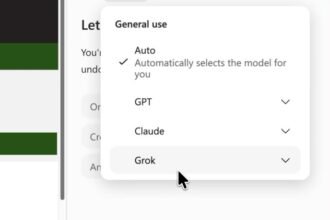
While Google pushes Gemini, it’s worth noting the broader competitive landscape. OpenAI recently launched its GPT 5.6 models, which are now the preferred choice for Microsoft Copilot 365, and Anthropic’s Fable 5 and Sonnet 5 continue to evolve with strong performance in various tasks (Source: ZDNET). This competitive environment drives rapid innovation, benefiting all users of AI.
What to Watch Next in Gemini AI
As the “agentic Gemini era” unfolds, keep an eye on how Google continues to integrate these intelligent agents into its core products and services. Expect further advancements in multimodal capabilities, allowing Gemini to understand and generate content across text, images, audio, and video more seamlessly. The focus on AI safety and responsible development, as highlighted by Google DeepMind’s investments in multi-agent AI safety research, will also be a critical area to monitor (Source: Google DeepMind Blog).
The expansion of the Gemini app and its integration with various platforms, including macOS, suggests a future where Gemini AI is not just a chatbot but a comprehensive AI assistant embedded across your digital life. These ongoing latest AI news developments will shape how we work, learn, and create.
Summary of Latest Gemini AI Updates
| Feature/Model | Key Enhancement | Impact for Users/Developers |
|---|---|---|
| Gemini Omni | New powerful AI model | Advanced capabilities for complex tasks |
| Nano Banana 2 Lite & Gemini Omni Flash | New building tools | More flexibility for AI application development |
| Gemini 3.5 Flash | Enhanced computer use | AI interacts more effectively with digital environments |
| Gemini App Study Notebooks | Personalized lessons, quizzes, dashboards | Tailored learning experiences for students/professionals |
| Personalized Image Creation | Expanded availability in Gemini App | Easier visual content generation for more users |
| Gemini Spark Updates | macOS launch, connected apps | Broader accessibility and improved app integration |
| Managed Agents in Gemini API | Background tasks, remote management | Robust capabilities for agentic AI development |
| DiffusionGemma | 4x faster text generation | Quicker content output for various applications |
FAQ on Latest Gemini AI Updates
What is the “agentic Gemini era”?
The “agentic Gemini era” refers to a new phase in AI development where Google’s Gemini models are designed to act as intelligent agents. This means they can understand complex goals, plan steps, and execute tasks autonomously or semi-autonomously, rather than just responding to direct prompts (Source: Google Blog).
What are some of the newest Gemini AI models?
Among the latest Gemini AI updates are the introduction of Gemini Omni by Google DeepMind, and tools like Nano Banana 2 Lite and Gemini Omni Flash for developers. These models aim to provide advanced capabilities and greater flexibility for building AI applications (Source: Google DeepMind Blog).
How do the latest Gemini AI updates benefit everyday users?
Everyday users benefit from personalized study notebooks in the Gemini app, offering custom lessons and progress tracking. Additionally, expanded personalized image creation features make it easier to generate unique visuals. Gemini Spark updates also bring macOS compatibility and better integration with other applications.
Are there new features for developers in the Gemini API?
Yes, developers will find expanded Managed Agents in the Gemini API, which now supports background tasks and remote management for building more sophisticated AI agents. The Interactions API serves as the primary interface for these models, and DiffusionGemma offers 4x faster text generation.
How does Gemini compare to other leading AI models like ChatGPT or Claude?
While Gemini is rapidly advancing, the AI landscape remains competitive. OpenAI’s GPT 5.6 is noted as a preferred model for Microsoft Copilot 365, and Anthropic continues to release powerful models like Fable 5 and Sonnet 5, excelling in areas like coding and professional work (Source: ZDNET). Each model has its strengths, and the ongoing competition drives innovation across the board.
What is Google doing about AI safety with these updates?
Google DeepMind is actively investing in multi-agent AI safety research to ensure that as AI systems become more autonomous, they are developed responsibly and safely. This commitment is crucial for building reliable and beneficial AI for humanity (Source: Google DeepMind Blog).