
The world of artificial intelligence is moving at an incredible pace, with major players like Google, Anthropic, and Apple constantly pushing the boundaries. Recent latest AI news highlights significant advancements, from new model launches to critical legal battles and practical applications. Staying informed about these developments is key for anyone looking to understand the evolving landscape of AI.
This article breaks down the most impactful AI news, explaining what happened, why it matters, who is affected, and what to watch next. We’ll cover everything from Google’s latest Gemini models to Anthropic’s powerful Claude updates and Apple’s strategic moves against OpenAI.
Table of Contents
- Quick Facts: Top AI News Updates
- Google’s Latest AI Innovations: Gemini Omni & More
- Anthropic’s Advancements: Claude Sonnet 5 & AI Safety
- OpenAI in the Spotlight: Apple’s Lawsuit & New Models
- Broader AI Trends and Industry Shifts
- Why These AI Developments Matter
- Who Is Affected by the Latest AI News?
- Risks, Uncertainty, and Ethical Considerations
- What to Watch Next in AI News
- FAQ About AI News
Quick Facts: Top AI News Updates
Here’s a quick overview of the most significant recent AI developments:
- Google’s Gemini Omni: Google DeepMind introduced Gemini Omni, alongside Gemini 3.5 Flash with enhanced computer use capabilities and new study notebooks for personalized learning. Source: Google Blog, Google DeepMind
- Anthropic’s Claude Sonnet 5: Anthropic launched Fable 5 globally and Sonnet 5, offering frontier performance in coding, agent tasks, and professional work, while also committing to AI safety research. Source: Anthropic Newsroom
- Apple Sues OpenAI: Apple filed a major lawsuit against OpenAI, a move that could significantly impact OpenAI’s IPO plans. Apple is also integrating its own AI, Apple Intelligence, into Siri. Source: TechCrunch, The Verge
- AI Skills Demand Soars: A reported 73% of tech job listings now require AI skills, highlighting a critical shift in the job market. Source: ZDNET
Google’s Latest AI Innovations: Gemini Omni & More
Google continues its aggressive push in the AI space with several notable latest Gemini AI updates. Google DeepMind recently unveiled Gemini Omni, marking a new generation of AI systems designed for even greater multimodal understanding and advanced reasoning. This is complemented by Gemini 3.5 Flash, which introduces enhanced computer use capabilities, allowing the model to interact more effectively with digital environments, browse the web, and operate software. This development is a significant step towards more sophisticated AI automation tools and agentic AI. For students, educators, and lifelong learners, Gemini’s new study notebooks offer personalized lessons, adaptive practice quizzes, and a custom progress dashboard, making learning more interactive and tailored to individual needs. Additionally, Google Vids now allows users to create and star in their own AI-generated videos, expanding creative possibilities within Google Workspace for marketing, presentations, or personal projects. These updates underscore Google’s commitment to making AI both powerful and practically accessible across various applications, from research to everyday productivity and creativity. Source: Google Blog, Google DeepMind
Anthropic’s Advancements: Claude Sonnet 5 & AI Safety
Anthropic, known for its focus on AI safety, has also rolled out significant updates to its Claude LLM updates. The Fable 5 model is now globally available, providing wider access to a powerful conversational AI for businesses and developers worldwide. The new Sonnet 5 delivers frontier performance across coding, agent tasks, and professional work at scale. For developers, this means improved code generation, debugging, and understanding complex programming logic. For those building AI agents, Sonnet 5 offers enhanced capabilities in planning multi-step actions and interacting with various tools to complete complex workflows autonomously. In professional settings, its advanced reasoning supports document analysis, content generation, strategic planning assistance, and data synthesis. Anthropic’s core mission revolves around building reliable, interpretable, and steerable AI systems, and they continue to demonstrate this commitment. They have launched an “Inviting hard questions” initiative and proposed an industry-wide framework for scoring jailbreak severity, in collaboration with other tech giants like Amazon, Microsoft, and Google, highlighting a collective move towards responsible AI development. Furthermore, Claude Science is a customizable application designed for researchers, integrating commonly used tools and packages, producing auditable artifacts, and providing flexible access to computing resources, thereby accelerating scientific discovery. Source: Anthropic Newsroom
OpenAI in the Spotlight: Apple’s Lawsuit & New Models
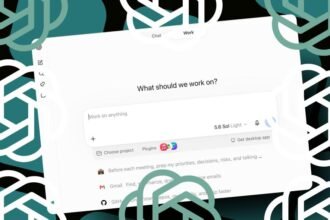
OpenAI, a leading force in generative AI, finds itself in the spotlight not only for its continuous innovation but also due to a major legal challenge. Apple recently filed a significant lawsuit against OpenAI, a move that TechCrunch reports could “disrupt OpenAI’s IPO plans.” While specific details of the lawsuit are still emerging, it likely pertains to data usage, intellectual property, or competitive practices, especially as Apple intensifies its own AI development. This legal battle highlights the growing complexities and potential disputes within the rapidly expanding AI industry. In response to the competitive landscape and to enhance its own ecosystem, Apple is integrating its proprietary AI, Apple Intelligence, into its devices, with a particular focus on making Siri “dramatically better” (The Verge). This strategic integration aims to deliver a more personalized, intuitive, and privacy-focused user experience across Apple products. Meanwhile, OpenAI continues to push its new AI model breakthroughs, with mentions of GPT-5.6 and ChatGPT Work aiming to compete fiercely on price, speed, and productivity against rivals like Anthropic. ChatGPT Work suggests a strong emphasis on enterprise solutions and enhanced productivity tools for businesses. Source: TechCrunch, The Verge, ZDNET
Broader AI Trends and Industry Shifts
Beyond the major model announcements and legal battles, several overarching trends are shaping the AI landscape. One of the most significant is the surging demand for AI skills in the job market. ZDNET reports that a remarkable 73% of tech job listings now require proficiency in AI, indicating a fundamental shift in workforce needs. This means individuals need to proactively upskill, and businesses must invest in AI training for their employees to remain competitive. Another pivotal trend is the rise of agentic AI, where systems are designed to understand complex goals, plan multi-step actions, and execute tasks autonomously. Google’s vision of an “agentic Gemini era” and 1Password’s new Agentic Mode, which allows Claude to log into accounts without directly seeing credentials (ZDNET), exemplify this move towards more autonomous and integrated AI automation. This promises to revolutionize personal and business productivity by handling complex workflows with minimal human intervention. Furthermore, the underlying hardware infrastructure for AI continues to evolve rapidly. Reports of an “AI-driven memory crunch jolting India’s smartphone market” and GPU financiers investing in inference chips highlight the immense computational demands of modern AI models and the ongoing race to develop more efficient and powerful hardware. Source: TechCrunch, ZDNET
Why These AI Developments Matter
These recent latest AI news updates are not just technical milestones; they have profound implications for individuals and industries alike. For general readers and consumers, these advancements translate into more intelligent and helpful digital experiences, from smarter personal assistants like Siri to enhanced creative tools like Google Vids and personalized educational resources through Gemini notebooks. For creators and small business owners, the availability of powerful LLMs like Claude Sonnet 5 and advanced AI automation tools offers unprecedented opportunities to streamline operations, generate high-quality content, and innovate at a faster pace, potentially leveling the competitive playing field. Students and professionals are directly impacted by the surging demand for AI skills, which necessitates continuous learning and adaptation to new technologies. The competitive landscape among tech giants also fuels rapid innovation, pushing the boundaries of what AI can achieve and accelerating its integration into every facet of our digital lives. Ultimately, these developments are shaping a future where AI is an indispensable partner in work, learning, and creativity.
Who Is Affected by the Latest AI News?
The ripple effects of these AI developments are widespread, touching various stakeholders:
- Tech Giants (Google, Apple, OpenAI, Anthropic): These companies are at the forefront, directly impacted by intense competition, strategic partnerships, and legal challenges. Their decisions and innovations set the pace for the entire industry.
- Developers and AI Engineers: They gain access to more powerful and versatile LLM updates, enabling them to build more sophisticated applications. However, they must also navigate evolving ethical considerations and safety frameworks. The high demand for AI skills significantly influences their career paths.
- Businesses Across All Sectors: Companies adopting AI for enhanced efficiency, improved customer service, or groundbreaking innovation stand to gain a significant competitive edge. Conversely, those slow to integrate AI risk falling behind. The trend towards agentic AI and AI automation means businesses need to rethink workflows and employee training.
- Governments and Regulators: The increasing power of AI necessitates robust ethical guidelines and regulatory frameworks. Initiatives like Anthropic’s jailbreak framework signal a growing industry-wide effort that will likely influence future AI policies.
- Everyday Users: From smartphone users benefiting from a dramatically smarter Siri to students leveraging AI for personalized learning, artificial intelligence is becoming an increasingly integral and often invisible part of daily interactions with technology and information.
Risks, Uncertainty, and Ethical Considerations
While the advancements in AI are exciting, they also bring important risks and ethical considerations that the industry is actively addressing. Concerns around data privacy and usage remain paramount, especially highlighted by Apple’s lawsuit against OpenAI and Google’s options for users to opt-out of data training. This emphasizes the need for transparency and user control over personal data. AI safety and the potential for misuse are also critical. Anthropic’s foundational commitment to building “reliable, interpretable, and steerable AI systems” and their proposed jailbreak framework are crucial steps towards preventing AI from generating harmful content or being exploited. Furthermore, the rapid adoption of AI automation tools raises questions about job displacement versus job creation. While AI is creating new roles and demanding new skills, it also transforms existing ones, requiring continuous adaptation from the workforce. Ensuring fairness, mitigating bias inherent in training data, and promoting equitable access to AI technologies are ongoing challenges that require thoughtful development and deployment strategies.
What to Watch Next in AI News
The AI landscape is dynamic, and several key areas will be crucial to monitor in the coming months:
- Legal and Regulatory Outcomes: The resolution of Apple’s lawsuit against OpenAI will likely set significant precedents for data usage, intellectual property, and competitive practices within the AI industry. Expect more discussions around AI governance globally.
- Further Model Evolution: Anticipate continuous LLM updates from all major players, with a strong focus on multimodal capabilities (understanding and generating text, images, audio, video), enhanced agentic functions, and specialized applications tailored for specific industries or tasks.
- Hardware Innovation: As AI models become more complex, the demand for specialized AI chips, such as inference chips, and advanced memory solutions will continue to drive innovation in hardware manufacturing and investment.
- Ethical AI Governance and Safety: Expect increased collaboration among tech companies, governments, and research institutions to establish robust ethical guidelines, safety protocols, and regulatory frameworks for responsible AI development and deployment.
- Deeper Integration into Daily Life: Watch for AI to become even more seamlessly integrated into operating systems, productivity suites like Google Workspace, and consumer devices, making AI an increasingly ubiquitous and essential part of our digital experience. This includes advancements in AI automation for everyday tasks.
FAQ About AI News
Q: What is Gemini Omni?
A: Gemini Omni is Google DeepMind’s latest generation of advanced AI systems, designed for enhanced multimodal understanding, advanced reasoning, and greater capabilities across various tasks, representing a significant leap in Google’s AI offerings.
Q: Why is Apple suing OpenAI?
A: While specific details are still emerging, Apple’s lawsuit against OpenAI likely concerns critical issues such as data usage, intellectual property rights, or competitive practices, especially as Apple is heavily investing in and integrating its own AI capabilities like Apple Intelligence into its ecosystem.
Q: What does “agentic AI” mean?
A: Agentic AI refers to artificial intelligence systems that are capable of understanding complex goals, planning and executing multi-step actions autonomously, and often interacting with other software, tools, or digital environments to achieve those objectives. It’s a key trend in AI automation.
Q: How is AI impacting the job market?
A: AI is profoundly impacting the job market by driving a significant demand for new skills, with a large percentage of tech jobs now requiring AI proficiency. It is also transforming existing roles through AI automation, necessitating that workers adapt, upskill, and focus on uniquely human capabilities to remain relevant and competitive.