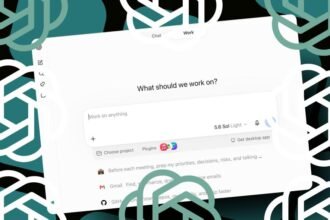
Small businesses are constantly seeking ways to enhance efficiency and stay competitive. The rise of AI automation tools offers a powerful solution, allowing smaller enterprises to streamline operations, reduce manual tasks, and free up valuable time for growth. These tools leverage artificial intelligence to handle repetitive processes, from customer service to data analysis, making advanced technology accessible even without a large IT department.
The bottom line for small businesses is clear: embracing AI automation can lead to significant improvements in productivity, cost savings, and a more focused approach to core business activities. By automating routine tasks, owners and employees can dedicate more energy to strategic planning, innovation, and direct customer engagement.
Table of Contents
- What Are AI Automation Tools?
- Why AI Automation Matters for Small Businesses
- Key Benefits of AI Automation
- Practical Use Cases for Small Businesses
- Risks and Limitations to Consider
- Choosing the Right AI Automation Tools for Small Businesses
- What to Watch Next in AI Automation
- FAQ
What Are AI Automation Tools?
AI automation tools are software applications that use artificial intelligence to perform tasks that would typically require human intelligence. This can range from simple, rule-based processes to more complex, decision-making functions. For small businesses, these tools often focus on automating repetitive, time-consuming tasks across various departments, such as marketing, customer support, and administrative work.
Companies like Google and Anthropic are at the forefront of AI development, creating advanced models and platforms that underpin many of these automation capabilities. Google, for instance, is exploring the “agentic Gemini era,” where AI agents can assist with various tasks and connect with different applications (blog.google). Similarly, Anthropic’s Claude models are designed to be reliable and steerable, offering solutions for coding and professional work (anthropic.com). These advancements contribute to a growing ecosystem of AI tools that small businesses can adapt for their specific needs.
Why AI Automation Matters for Small Businesses
For small businesses, resources are often limited, making efficiency paramount. AI automation tools provide a way to scale operations without significantly increasing headcount or overhead. By automating routine tasks, small businesses can:
- **Increase Productivity:** Free up employees from mundane tasks, allowing them to focus on higher-value activities that drive growth.
- **Reduce Costs:** Minimize labor costs associated with repetitive work and decrease errors that can lead to expensive corrections.
- **Improve Accuracy:** AI systems can process data and execute tasks with a consistency and precision that human workers might struggle to maintain over time.
- **Enhance Customer Experience:** Provide faster responses and more personalized interactions through automated chatbots and tailored recommendations.
- **Gain Competitive Advantage:** Leverage sophisticated technology typically reserved for larger corporations, leveling the playing field.
The continuous evolution of latest LLM updates means these tools are becoming more capable and user-friendly, making them increasingly accessible for small business owners.
Key Benefits of AI Automation
Implementing AI automation tools for small businesses brings a range of tangible benefits that directly impact the bottom line and operational quality:
-
Time Savings and Efficiency Gains
Automating tasks like data entry, scheduling, email responses, and report generation can save countless hours each week. This allows small teams to achieve more with existing resources, directly boosting overall efficiency.
-
Cost Reduction and Resource Optimization
By taking over tasks that would otherwise require dedicated staff or extensive manual effort, AI tools help reduce operational costs. This optimization of resources means businesses can allocate their budget to other critical areas like marketing, product development, or employee training.
-
Enhanced Accuracy and Reduced Errors
AI systems are designed to follow rules and process data without human biases or fatigue, leading to a significant reduction in errors. This is crucial for tasks involving financial data, inventory management, or customer information, where mistakes can be costly.
-
Improved Customer Service and Personalization
AI-powered chatbots can provide instant support, answer common questions, and guide customers 24/7. This improves response times and customer satisfaction. Furthermore, AI can analyze customer data to offer personalized recommendations and experiences, building stronger customer relationships.
-
Scalability and Growth Potential
AI automation allows small businesses to handle increased workloads without proportional increases in staff. As a business grows, AI tools can scale to meet demand, supporting expansion and new opportunities without overwhelming existing teams.
Practical Use Cases for Small Businesses
AI automation tools can be applied across various functions within a small business:
-
Customer Support
Deploy AI chatbots to answer frequently asked questions, provide instant support, and route complex queries to human agents. This ensures customers receive timely assistance, improving satisfaction and reducing agent workload.
-
Marketing and Sales
Automate email campaigns, personalize content recommendations, analyze customer behavior for targeted advertising, and streamline lead qualification. AI can also help in generating marketing copy and social media posts, leveraging advancements seen in latest AI news.
-
Administrative Tasks
Automate data entry, document processing, scheduling appointments, and managing invoices. This frees up administrative staff to focus on more strategic tasks.
-
Financial Management
Use AI for automated expense tracking, invoice processing, fraud detection, and basic bookkeeping tasks, ensuring greater accuracy and compliance.
-
Content Creation and Management
Generate draft content for blogs, social media, or product descriptions. AI can also help organize and categorize digital assets, making content management more efficient.
Risks and Limitations to Consider
While the benefits are significant, small businesses should also be aware of potential challenges:
- **Initial Setup Complexity:** Integrating new AI tools can require technical expertise and time, which might be a hurdle for businesses with limited IT resources.
- **Cost of Implementation:** Some advanced AI solutions can have a notable upfront cost, though many affordable, scalable options are emerging.
- **Data Privacy and Security:** Handling customer and business data with AI tools requires strict adherence to privacy regulations and robust security measures to prevent breaches.
- **Over-reliance and Loss of Human Touch:** While automation is efficient, it’s crucial to maintain a human element in customer interactions and decision-making to avoid alienating clients.
- **Bias in AI:** AI models can sometimes inherit biases from the data they were trained on, leading to unfair or inaccurate outcomes. Regular monitoring and ethical considerations are important.
Choosing the Right AI Automation Tools for Small Businesses
When selecting AI automation tools, small businesses should consider several factors:
- **Identify Your Needs:** Pinpoint the most time-consuming or error-prone tasks that could benefit from automation.
- **Ease of Use:** Look for tools with intuitive interfaces that don’t require extensive technical training.
- **Scalability:** Choose solutions that can grow with your business and adapt to changing needs.
- **Integration Capabilities:** Ensure the tool can seamlessly integrate with your existing software and platforms.
- **Cost-Effectiveness:** Evaluate pricing models (subscription, per-use) and compare them against the potential ROI.
- **Support and Community:** Opt for tools with reliable customer support and an active user community for troubleshooting and tips.
Keeping an eye on latest Gemini AI updates or other new AI model breakthroughs can help identify emerging tools that might be a perfect fit.
What to Watch Next in AI Automation
The field of AI is rapidly evolving, with major players like Google and Anthropic continuously pushing boundaries. Google is focusing on making AI more
Related Reading