The artificial intelligence landscape is evolving at an incredible pace, with major players like OpenAI, Google, and Anthropic consistently introducing significant advancements. These latest AI news updates are not just technical milestones; they are reshaping how we interact with technology, automate tasks, and even approach creative work. From powerful new language models to specialized AI agents, understanding these developments is key for anyone looking to stay ahead in the digital world.
This article will break down the most impactful recent AI launches, explain why they matter to a general audience, identify who is most affected, and highlight what to watch for next in this rapidly advancing field.
Table of Contents
- Quick Takeaways
- A Surge of New AI Model Updates
- Why These AI Launches Matter to You
- Who is Most Affected by Recent AI Developments?
- What to Watch Next in the AI Space
- FAQ: Understanding the Latest AI Launches
Quick Takeaways
- OpenAI’s GPT-5.6: Now the preferred model for Microsoft Copilot 365, aiming for superior speed and cost-effectiveness.
- Google’s Gemini Expansion: New models like Gemini Omni and Flash, alongside app enhancements for personalized learning and image creation.
- Anthropic’s Fable 5 & Claude Science: Focus on robust cyber safeguards and a specialized AI workbench for scientific research.
- Industry-Wide Impact: AI is driving significant changes across various sectors, from business automation to ethical discussions.
- The Rise of AI Agents: A growing trend towards AI systems that can perform complex tasks autonomously.
A Surge of New AI Model Updates
The past few months have seen a flurry of activity in the world of artificial intelligence, with major companies unveiling new capabilities and models that promise to redefine how we interact with technology. These new AI model breakthroughs are pushing the boundaries of what’s possible, from more intelligent chatbots to advanced automation tools.
OpenAI’s GPT-5.6 and Agentic Ambitions
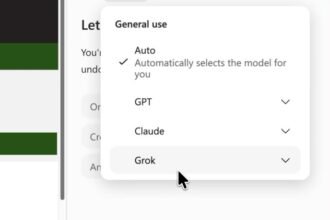
OpenAI recently launched its new family of models, including GPT-5.6, which is now the preferred model for Microsoft Copilot 365. This update signifies OpenAI’s commitment to offering models that are not only powerful but also competitive in terms of price, speed, and productivity, challenging rivals like Anthropic. While OpenAI is expanding its core large language models, it’s also making strategic shifts, such as shutting down Atlas to focus on its broader AI browser ambitions. This indicates a move towards more integrated and agentic AI experiences for users, as reported by TechCrunch and ZDNET.
Google’s Gemini Era Expands with Omni and Flash Models
Google continues to heavily invest in its AI ecosystem, announcing significant updates to its Gemini platform. At I/O 2026, Google heralded the agentic Gemini era, introducing powerful new models like Gemini Omni and Gemini Flash. These models are designed to enhance various applications, from developer tools to consumer-facing features. For instance, the latest Gemini AI updates include the Gemini app expanding its capabilities to offer personalized image creation to more users, making advanced generative AI more accessible. Furthermore, new study notebooks powered by Gemini help users learn with personalized lessons, practice quizzes, and custom progress dashboards, showcasing how AI is being integrated into educational and productivity tools. The expansion of Managed Agents in the Gemini API also signals Google’s push towards more autonomous AI systems that can perform complex background tasks and interact with various remote services.
Anthropic’s Fable 5 and Claude Science for Specialized Tasks
Anthropic, known for its focus on AI safety and interpretability, has also made significant strides with the global return of Fable 5. This model emphasizes robust cyber safeguards and is part of an industry-wide effort to establish a framework for scoring jailbreak severity, in collaboration with other tech giants like Amazon, Microsoft, and Google. Beyond its core LLM, Anthropic introduced Claude Science, an AI workbench specifically designed for scientists. This customizable application integrates common research tools and packages, produces auditable artifacts, and provides flexible access to computing resources, making it a powerful tool for accelerating scientific discovery and analysis. The company also launched Sonnet 5, delivering frontier performance across coding, agents, and professional work at scale, demonstrating a commitment to both specialized and general-purpose AI advancements.
Why These AI Launches Matter to You
These rapid latest LLM updates and AI launches are not just for tech enthusiasts; they have tangible implications for everyday users, creators, and businesses. For general readers, these advancements mean more intuitive and capable tools. Imagine AI assistants that understand context better, provide more accurate information, or even help manage your daily schedule with greater efficiency. The personalized learning features in Google’s Gemini, for example, could revolutionize how students study and professionals acquire new skills, adapting content to individual needs and progress. For creators, enhanced generative AI models translate into more powerful tools for content creation, from generating unique images to assisting with writing and coding. This can significantly reduce the time and effort required for creative projects, opening up new possibilities for artists, writers, and designers.
Small business owners will find immense value in the growing capabilities of AI automation tools. Models like OpenAI’s GPT-5.6, optimized for productivity and cost-effectiveness, can streamline customer service, automate marketing efforts, and even assist with data analysis, allowing businesses to operate more efficiently and competitively. The focus on agentic AI, where systems can perform complex tasks autonomously, means that businesses could soon deploy AI to manage entire workflows, freeing up human employees for more strategic and creative roles. These improvements promise to boost productivity, foster innovation, and make advanced technology accessible to a wider audience, democratizing capabilities that were once exclusive to large corporations.
Who is Most Affected by Recent AI Developments?
The impact of these new AI launches ripples across various segments of society:
- Students and Educators: With tools like Gemini’s personalized study notebooks and Claude Science for researchers, learning and academic pursuits are becoming more tailored and efficient. Educators can leverage these tools to create dynamic learning environments, while students gain access to personalized tutors and research assistants.
- Content Creators and Marketers: Generative AI for image creation (Gemini) and advanced writing assistance (GPT-5.6, Fable 5) empowers creators to produce high-quality content faster and more efficiently. Marketers can personalize campaigns, analyze trends, and automate content generation, leading to more engaging and effective strategies.
- Small Business Owners: The drive for productivity and cost-effectiveness in models like GPT-5.6, coupled with the rise of AI agents, means small businesses can access sophisticated automation solutions without needing extensive in-house tech teams. This levels the playing field, enabling them to compete with larger enterprises by automating tasks from customer support to inventory management.
- Developers and Researchers: The release of new APIs (Gemini API for Managed Agents) and specialized workbenches (Claude Science) provides developers with more robust tools to build innovative applications and allows researchers to accelerate discoveries across various scientific fields.
- Cybersecurity Professionals: Anthropic’s focus on cyber safeguards with Fable 5 and industry-wide jailbreak frameworks highlights the growing importance of AI in security. These developments affect how vulnerabilities are identified and how AI systems are protected against misuse.
- General Consumers: As AI integrates into everyday applications (Microsoft Copilot 365, personalized AI features), consumers will experience more intelligent, responsive, and personalized digital interactions, from smarter search results to more helpful virtual assistants.
What to Watch Next in the AI Space
As these latest AI news developments unfold, several key trends are emerging that will shape the future of artificial intelligence:
- Further Agentic AI Development: The shift towards AI agents that can autonomously perform complex, multi-step tasks will continue. Expect to see more sophisticated agents capable of managing projects, conducting research, and even interacting with other software independently. This will be a game-changer for AI automation tools.
- Enhanced Multimodality: Models will become increasingly adept at understanding and generating content across various modalities – text, images, audio, and video – seamlessly. This will lead to more natural and intuitive human-AI interactions.
- Specialized AI Models: While general-purpose LLMs continue to advance, there will be a growing emphasis on highly specialized AI models tailored for specific industries or tasks, much like Anthropic’s Claude Science. These models will offer deeper expertise and more precise results in niche domains.
- AI Safety and Ethics: As AI becomes more powerful and pervasive, the focus on safety, interpretability, and ethical deployment will intensify. Initiatives like Anthropic’s jailbreak framework will become standard, and regulatory discussions will likely gain momentum to ensure responsible AI development.
- Personalized AI Experiences: Expect AI to become even more integrated into personal devices and services, offering highly customized experiences based on individual preferences, habits, and needs, as seen with Gemini’s personalized learning and image creation features.
- Competition and Collaboration: The fierce competition among tech giants will drive innovation, but also expect more collaborations on industry standards and shared challenges, particularly in areas like AI safety and open-source development.
Staying informed about these trends will be crucial for navigating the evolving digital landscape and harnessing the full potential of AI.
FAQ: Understanding the Latest AI Launches
What is GPT-5.6?
GPT-5.6 is OpenAI’s latest large language model, designed to offer improved performance, speed, and cost-effectiveness. It is now the preferred model for Microsoft Copilot 365, enhancing its capabilities for productivity and automation.
How is Google’s Gemini platform evolving?
Google is expanding its Gemini platform with new models like Gemini Omni and Gemini Flash, alongside app enhancements. These include personalized study notebooks for learning, expanded personalized image creation, and advanced Managed Agents for developers to build autonomous AI systems.
What is Anthropic’s Fable 5?
Fable 5 is Anthropic’s advanced AI model, returning globally with a strong emphasis on cyber safeguards. It’s part of an industry effort to create frameworks for assessing AI security vulnerabilities, ensuring safer AI deployment.
What are AI Agents?
AI Agents are advanced AI systems designed to perform complex, multi-step tasks autonomously. Unlike traditional chatbots that respond to individual prompts, agents can plan, execute, and monitor a series of actions to achieve a goal, often interacting with other tools and services.
Why is AI safety a growing concern?
As AI models become more powerful and integrated into critical systems, ensuring their safety and preventing misuse (like ‘jailbreaking’ or generating harmful content) is paramount. Companies like Anthropic are actively working on safeguards and industry standards to address these ethical and security challenges.