The landscape of artificial intelligence is moving faster than ever. From the release of a new ai model capable of complex reasoning to the integration of AI into physical robotics, the tools we use for work and creativity are evolving daily. Whether you are a small business owner or a tech enthusiast, staying updated on these shifts is essential to maintaining a competitive edge.
Quick Answer: The most significant new AI model breakthroughs in 2026 include Google’s Gemma 4 (high-capability open models), Gemini 3.1 Flash (expressive speech and live audio), Claude Opus 4.7 (advanced coding and multi-step tasks), and ChatGPT’s Images 2.0 (superior text rendering in images). These models are shifting the focus from simple chat to autonomous agents and embodied reasoning.
Table of Contents
- Gemma 4: The Power of Open Models
- Gemini 3.1: Expressive Speech and Robotics
- Claude Opus 4.7: Professional-Grade Logic
- Multimodal Trends: Images 2.0 and Beyond
- The Rise of Human-Like AI Agents
- FAQ
Gemma 4: The Power of Open Models
Google DeepMind has introduced Gemma 4, which is described as the most capable open model available. Unlike proprietary models that are locked behind a subscription, open models allow developers and researchers to build upon the core architecture, fostering a more transparent and AI ecosystem.
Gemma 4 is designed to be efficient yet powerful, making it a prime candidate for AI automation tools that require local hosting or specific fine-tuning for niche business data. By providing a high-performance open model, Google is enabling a wave of specialized AI applications that don’t rely on a single corporate cloud.
Gemini 3.1: Expressive Speech and Robotics
Google’s Gemini 3.1 Flash represents a major leap in how we interact with AI. The focus has shifted from text-based prompts to natural, expressive audio. Two key versions have emerged:
- Gemini 3.1 Flash TTS: Focuses on the next generation of expressive AI speech, making digital assistants sound more human and less robotic.
- Gemini 3.1 Flash Live: Aims to make audio AI more natural and reliable for real-time conversations.
Beyond communication, Google is pushing into “embodied reasoning” with Gemini Robotics-ER 1.6. This model allows AI to power real-world robotics tasks, bridging the gap between digital intelligence and physical action. For those following latest Gemini AI updates, this marks the transition of AI from a screen-based tool to a physical assistant.
Claude Opus 4.7: Professional-Grade Logic
Anthropic has released Claude Opus 4.7, a model built for high-stakes professional work. While some models prioritize speed, Opus 4.7 focuses on thoroughness and consistency. It excels in:
- Advanced Coding: Writing complex software architectures with fewer errors.
- Multi-step Tasks: Handling long workflows without losing track of the original goal.
- Vision and Agents: Better interpretation of visual data to trigger autonomous actions.
Anthropic is also expanding its ecosystem with Claude Design, a collaborative tool for creating prototypes, slides, and one-pagers. This shows a trend where a new ai model is no longer just a chatbot, but a specialized engine powering a suite of productivity software.
Multimodal Trends: Images 2.0 and Beyond
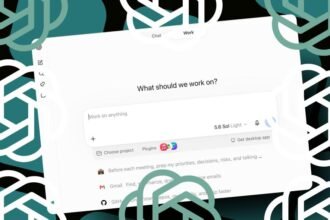
The ability of AI to handle different types of media simultaneously is called multimodality. A standout update is ChatGPT’s Images 2.0, which has significantly improved its ability to generate accurate text within images—a long-standing struggle for previous AI models.
This breakthrough is vital for creators and marketers who need precise visual assets without spending hours in manual editing. When combined with latest LLM updates, these multimodal capabilities allow users to move from an idea to a polished visual presentation in seconds.
The Rise of Human-Like AI Agents
A new frontier in AI is the development of “agents”—AI that can learn and act autonomously. The research lab NeoCognition has secured $40M in seed funding to build agents that learn like humans. This suggests a move away from static training data toward continuous, experiential learning.
Analysis: Why This Matters
The shift from “Chatbots” to “Agents” is the most critical change in 2026. While a chatbot answers a question, an agent completes a task (e.g., “Book my flight, find a hotel, and send the calendar invite”). This evolution will likely lead to a massive increase in the adoption of latest AI news regarding autonomous workforce integration.
FAQ
What is the most capable new AI model in 2026?
Depending on the use case, Gemma 4 is the top open-weight model, while Claude Opus 4.7 and Gemini 3.1 Flash are leading proprietary models for professional logic and real-time audio interaction, respectively.
How does Gemini 3.1 Flash differ from previous versions?
Gemini 3.1 Flash focuses heavily on expressive speech (TTS) and live, natural audio interactions, making it more reliable for voice-based AI assistants.
Can AI models now generate text inside images?
Yes, ChatGPT’s Images 2.0 model has shown significant improvement in generating legible and accurate text within generated images.
What are “AI Agents” and how do they differ from LLMs?
AI Agents are systems that can perform autonomous actions and learn from experience, whereas standard LLMs primarily generate text or media based on existing training data.