The world of Artificial Intelligence is moving at an incredible pace, with major players like OpenAI, Google DeepMind, and Anthropic continuously rolling out significant updates and entirely new models. These advancements are reshaping how we interact with technology, from enhancing productivity to enabling more sophisticated AI automation. Understanding each new launch in AI helps general readers, creators, small business owners, and professionals stay ahead in this evolving landscape. This article breaks down the most impactful recent AI launches, explaining what they are, why they matter, and what to watch for next.
Table of Contents
- Key AI Model Launches You Need to Know
- Why These New AI Launches Matter
- Who is Affected by the Latest AI Updates?
- Evaluating the Impact: Benefits, Risks, and Limitations of New AI Launches
- What to Watch Next in AI
- FAQ about New AI Launches
Key AI Model Launches You Need to Know
Recent months have seen a flurry of activity from leading AI research companies, each introducing powerful new capabilities and refinements to their large language models (LLMs) and other AI systems. These updates signify a push towards more capable, efficient, and integrated AI experiences.
OpenAI’s GPT-5.6 and Expanded Offerings
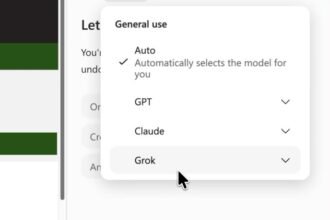
OpenAI has recently launched its new family of models, including GPT-5.6, which is now the preferred model for Microsoft Copilot 365, indicating its robust performance and integration capabilities. This latest LLM update from OpenAI aims to offer improved price, speed, and productivity, directly competing with other frontier models. Beyond the core model, OpenAI is also making strides in bringing AI deeper into households with ChatGPT for families and has introduced an upgrade to ChatGPT’s Live Voice, making interactions feel more human. However, the company is also navigating challenges, including Apple suing OpenAI over alleged trade secret theft and the removal of Fidji Simo from a key role. Additionally, OpenAI is reportedly shutting down its Atlas project, though its AI browser ambitions continue to grow. Source: TechCrunch, ZDNET, OpenAI.
Google DeepMind’s Gemini Omni and Flash Models
Google DeepMind has introduced significant advancements to its Gemini family of models, marking what they call the ‘agentic Gemini era’. Key new launches include Gemini Omni, Nano Banana 2 Lite, Gemini Omni Flash, and Gemini 3.5 Flash. These models are designed to be more powerful and efficient, with Gemini 3.5 Flash specifically introducing computer use capabilities. The Gemini app is also expanding its personalized image creation features and offering new study notebooks with personalized lessons and progress dashboards. Developers are seeing expanded Managed Agents in the Gemini API, allowing for background tasks and remote MCP, as well as the Interactions API for interfacing with Gemini models and agents. Google is also pushing DiffusionGemma for 4x faster text generation. These latest Gemini AI updates highlight Google’s commitment to integrating AI across its ecosystem. Source: Google Blog, Google DeepMind Blog.
Anthropic’s Fable 5 and Claude Updates
Anthropic, an AI safety and research company, has also made notable new launch in AI updates. Their Fable 5 model is returning globally, accompanied by an industry-wide framework for scoring jailbreak severity, developed in partnership with Amazon, Microsoft, and Google. Sonnet 5 is another significant launch, delivering frontier performance across coding, agents, and professional work at scale. For scientists, Claude Science is now available as a customizable app that integrates common research tools and provides auditable artifacts. Additionally, Claude Cowork has proven effective for non-coding jobs, saving users hours of work in tasks like managing Gmail inboxes, and is now heading to the cloud. Source: Anthropic Newsroom, ZDNET.
Why These New AI Launches Matter
The continuous stream of a new launch in AI is not just about incremental improvements; it represents a fundamental shift in how technology can augment human capabilities. These models are becoming more versatile, capable of handling complex tasks from advanced coding to creative content generation and personalized education. They are driving competition among tech giants, pushing the boundaries of what’s possible and accelerating the adoption of AI in everyday applications. For businesses, these new AI model breakthroughs mean access to more powerful tools for automation and innovation, while individuals gain more intuitive and intelligent digital assistants.
Who is Affected by the Latest AI Updates?
These new AI launches have a broad impact across various segments:
- General Readers: Experience more sophisticated chatbots and personalized online experiences.
- Creators: Gain access to advanced tools for image, text, and video generation, enhancing creative workflows.
- Small Business Owners: Can leverage new AI automation tools for efficiency, customer service, and data analysis, potentially saving hours of work. Source: HealingPoint.
- Students and Professionals: Benefit from personalized learning tools like Gemini’s study notebooks and powerful agents for coding and professional tasks.
- Developers: Have access to more robust APIs and agentic frameworks for building next-generation AI applications.
From improving cybersecurity vulnerabilities in government systems (as seen with Claude Code) to influencing hiring trends in companies embracing AI, these launches are shaping our digital future. Source: Anthropic Newsroom, ZDNET.
Evaluating the Impact: Benefits, Risks, and Limitations of New AI Launches
While the benefits of these advancements are clear, it’s equally important to consider the potential risks and limitations.
Benefits of the Latest AI Models
- Enhanced Productivity: Models like GPT-5.6 and Sonnet 5 offer superior speed and performance for coding, professional tasks, and general assistance.
- Personalized Experiences: Gemini’s new study notebooks and personalized image creation features tailor AI to individual user needs.
- Advanced Automation: AI agents are becoming more capable of handling complex, non-coding jobs, streamlining workflows for businesses and individuals.
- Crisis Resilience: Google is utilizing AI breakthroughs for applications like wildfire detection and flood alerts, contributing to global safety efforts. Source: Google Blog.
Potential Risks and Concerns
- Ethical Issues: The rapid deployment of AI can lead to controversies, such as Meta removing a controversial AI feature on Instagram after backlash. Ethical considerations surrounding data usage and content generation remain paramount. Source: TechCrunch, The Verge.
- Security and Misuse: The increasing power of AI models necessitates robust cyber safeguards, as highlighted by Anthropic’s work on jailbreak severity frameworks. AI can also be used for malicious purposes, raising concerns about fake content and potential overspending on API usage if not properly managed. Source: Anthropic Newsroom, ZDNET.
- Competition and Legal Challenges: The intense competition among AI developers can lead to legal battles, such as Apple’s lawsuit against OpenAI over alleged trade secret theft.
What to Watch Next in AI
The future of AI promises even more integration and sophistication. Keep an eye on the continued development of AI agents, which are becoming increasingly autonomous and capable of running complex tasks. The debate around open-source AI versus proprietary models will also continue to evolve, with open-source advocates emphasizing its growing importance. Further advancements in multimodal AI, capable of understanding and generating various forms of data (text, image, audio, video), will likely lead to even more transformative applications. Staying informed on these developments is crucial for anyone interested in the latest AI news and its practical implications.
FAQ about New AI Launches
What is the bottom line on new launch in ai?
The bottom line is that AI technology is advancing rapidly, with major companies like OpenAI, Google DeepMind, and Anthropic regularly releasing more powerful and specialized models. These new launches offer enhanced capabilities for productivity, automation, and personalized experiences, but also bring important ethical and security considerations.
Who are these new AI launches best for or most relevant to?
These new AI launches are relevant for a wide audience: general users benefiting from smarter tools, creators seeking advanced generative capabilities, small business owners looking for automation solutions, students utilizing personalized learning aids, and professionals needing powerful assistants for complex tasks like coding and data analysis.
What are the main benefits and risks of recent AI launches?
Main benefits include increased productivity, more personalized digital interactions, advanced automation, and applications for crisis resilience. Risks involve ethical concerns over AI usage, potential for misuse (e.g., generating fake content), security vulnerabilities, and intense market competition leading to legal disputes.
How do these new AI models compare with alternatives?
The latest models from OpenAI (GPT-5.6), Google DeepMind (Gemini Omni, Flash), and Anthropic (Fable 5, Sonnet 5) are all pushing the boundaries of performance, speed, and specialized capabilities. They often compete on factors like cost-efficiency, integration with existing platforms (e.g., Microsoft Copilot), and specific strengths in areas like coding, agentic behavior, or scientific research.
What should readers check before deciding on a new AI tool?
Before adopting a new AI tool, readers should evaluate its specific capabilities, how it aligns with their needs, its cost, security features, and privacy policies. It’s also wise to consider user reviews, the developer’s commitment to ethical AI, and how easily the tool integrates with their existing workflows. Understanding the limitations and potential risks is as important as recognizing the benefits.