The world of artificial intelligence is moving at an incredible pace, with major players constantly introducing groundbreaking advancements. From powerful new language models to innovative applications, staying informed about every new launch in AI is key to understanding its impact on our daily lives and businesses. This article breaks down the most significant recent AI launches and updates from leading companies like Google DeepMind and Anthropic, explaining what they are, why they matter, and what to expect next.
Artificial intelligence is causing a significant shift across the technology industry, extending beyond just chatbots to influence everything from coding to data center optimization. These latest developments promise to enhance user experience, boost productivity, and open new avenues for innovation.
Table of Contents
- Quick Takeaways: What’s New in AI Launches
- Google DeepMind’s Latest AI Innovations
- Anthropic’s Strategic Moves and Model Upgrades
- Other Notable AI Launches and Developments
- Why These New AI Launches Matter
- What to Watch Next in AI
- FAQ About New AI Launches
Quick Takeaways: What’s New in AI Launches
- Google DeepMind’s Gemini Omni: A next-generation AI system promising advanced capabilities.
- Gemini 3.5 Flash: Introduced with computer use features, enhancing practical applications.
- DiffusionGemma: Offers 4x faster text generation, improving efficiency for developers.
- Anthropic’s Opus Model Upgrade: Delivers stronger performance for coding, agentic tasks, and professional work.
- Anthropic’s Claude Tag: A new agentic AI coworker for Slack users.
- IBM’s Chip Breakthrough: Successfully fit nearly 100 billion transistors on a single chip, a significant hardware advancement.
- Cursor Mobile App: Guides coding agents on the go, boosting developer productivity.
- TIDAL’s AI Music Policy: Cracking down on AI music by cutting off monetization, reflecting industry concerns.
Google DeepMind’s Latest AI Innovations
Google DeepMind continues to be at the forefront of AI research and development, recently unveiling several key advancements. These updates signal a push towards more powerful, efficient, and integrated AI systems. For more on these advancements, visit the Google DeepMind blog.
Introducing Gemini Omni
Among the most anticipated announcements is the introduction of Gemini Omni, a new AI model designed to be a next-generation system. While specific details on its full capabilities are still emerging, Omni represents Google’s commitment to building highly advanced and versatile AI. This latest Gemini AI updates aim to push the boundaries of what AI can achieve.
Gemini 3.5 Flash & Computer Use
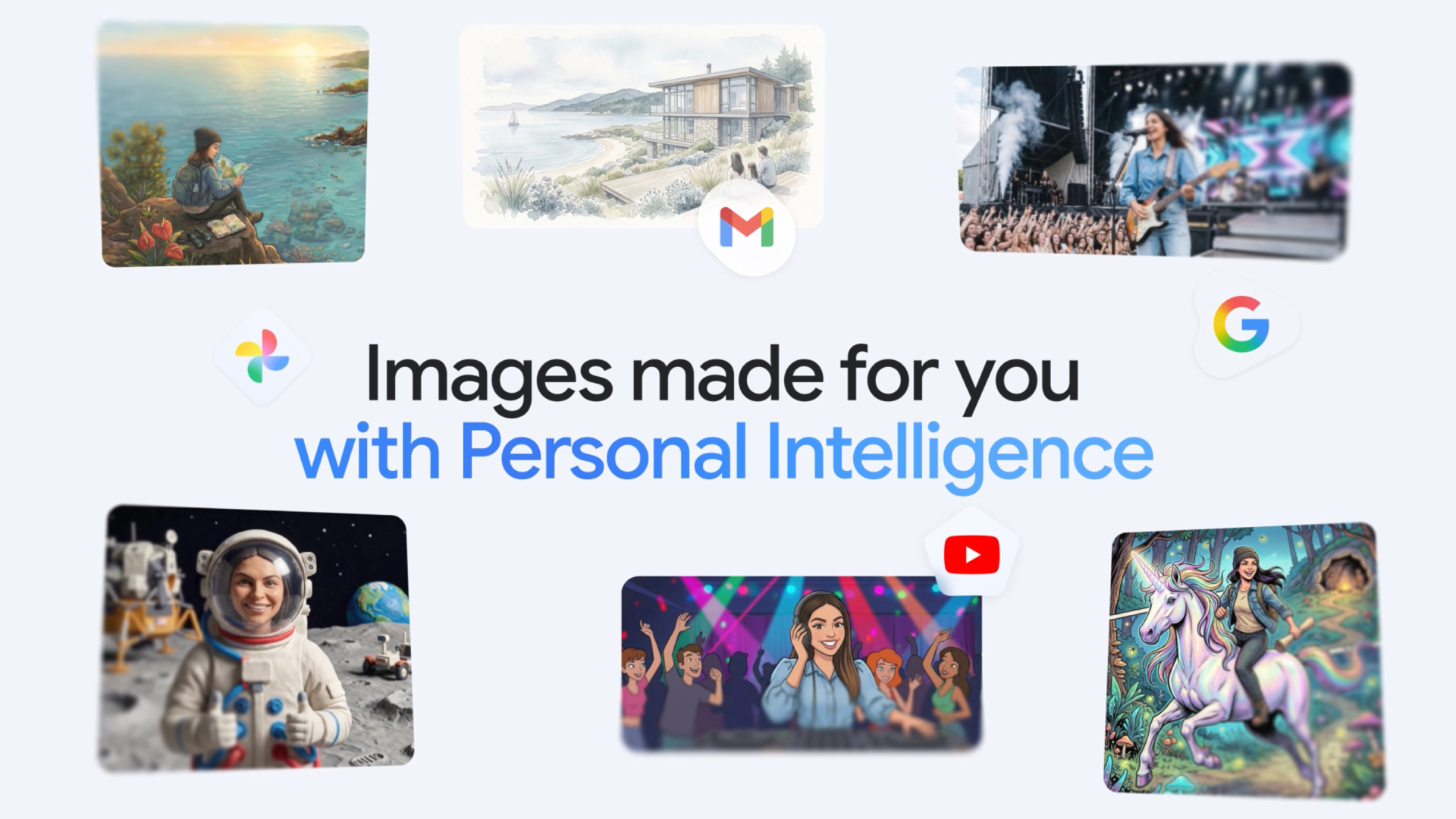
Google has also introduced Gemini 3.5 Flash, which now includes the ability for computer use. This feature allows the AI to interact more directly with digital environments, potentially streamlining complex tasks and enhancing automation. This move is part of Google’s broader strategy to integrate AI more deeply into user workflows and everyday applications, including personalized image creation in the Gemini app and new tools to save time for businesses, as noted on the Official Google AI news and updates blog.
DiffusionGemma: Faster Text Generation
Developers and creators will benefit from DiffusionGemma, a new offering that promises 4x faster text generation. This speed improvement can significantly accelerate content creation, coding assistance, and other text-based AI applications, making development cycles more efficient and responsive. This is a crucial step for those leveraging AI for rapid prototyping and deployment.
Anthropic’s Strategic Moves and Model Upgrades
Anthropic, an AI safety and research company, has also made significant strides with new launches and strategic announcements. Their focus remains on building reliable, interpretable, and steerable AI systems, as highlighted on the Anthropic Newsroom.
Opus Model Enhancement & Claude Tag
Anthropic has upgraded its Opus class of models, delivering stronger performance across coding, agentic tasks, and professional work. This enhancement provides greater consistency for handling long-running projects, making it a powerful tool for complex operations. Additionally, Anthropic rolled out Claude Tag, an agentic AI coworker designed for Slack, aiming to streamline communication and task management within teams. These latest LLM updates from Anthropic are set to redefine collaborative AI experiences.
Government Directives & Global Expansion
In a notable development, the US government issued an export control directive to suspend access to Anthropic’s Fable 5 and Mythos 5 models. This highlights the growing regulatory scrutiny around advanced AI. Despite this, Anthropic is expanding its global footprint, including opening a Seoul office and forging new partnerships across the Korean AI ecosystem. They are also extending Project Glasswing to approximately 150 new organizations in over fifteen countries, showcasing their commitment to broader AI adoption and safety research.
Other Notable AI Launches and Developments
Beyond the major model updates, several other significant AI-related launches and trends are shaping the industry, impacting a wide range of sectors.
IBM’s Chip Breakthrough
IBM has achieved a remarkable feat by fitting nearly 100 billion transistors on a single chip. This hardware innovation, detailed by ZDNET, is crucial for the future of AI, as more powerful chips are essential for running increasingly complex AI models and applications efficiently. This breakthrough could lead to faster processing, reduced energy consumption, and more compact AI systems.
Cursor’s Mobile App for Coding Agents
For developers, the launch of Cursor’s mobile app is a game-changer. It allows users to guide their coding agents on the go, providing flexibility and continuous productivity. This development, reported by TechCrunch, underscores the trend of making AI tools more accessible and integrated into daily work routines, especially for those in software development and AI automation tools.
TIDAL’s Stance on AI Music
In the entertainment industry, TIDAL is taking a firm stance against AI-generated music by cutting off monetization for such content. This reflects a growing debate about intellectual property, artist rights, and the ethical implications of AI in creative fields. It’s a clear signal that industries are grappling with how to adapt to the influx of AI-created content, adding to the broader discussion in the latest AI news.
Why These New AI Launches Matter
These recent AI launches are more than just technical updates; they represent significant shifts in how AI will be developed, used, and integrated into our lives. For general readers, creators, small business owners, and professionals, these advancements mean:
- Increased Accessibility: Tools like the Gemini app with personalized image creation and Cursor’s mobile app make powerful AI capabilities available to a wider audience.
- Enhanced Productivity: Faster text generation from DiffusionGemma and agentic AI tools like Claude Tag can significantly boost efficiency in various tasks, from content creation to project management.
- New Business Opportunities: IBM’s chip breakthrough paves the way for more sophisticated AI applications, potentially leading to new services and business models.
- Ethical and Policy Debates: Government directives and industry responses, such as TIDAL’s AI music policy, highlight the critical need for thoughtful regulation and ethical guidelines as AI continues to evolve.
What to Watch Next in AI
The rapid evolution of AI means there’s always something new on the horizon. Here are a few areas to keep an eye on:
- Further LLM Advancements: Expect continued breakthroughs in large language models, focusing on improved reasoning, multimodal capabilities, and reduced computational costs.
- AI Ethics and Regulation: As AI becomes more powerful, discussions around responsible AI development, data privacy, and intellectual property will intensify.
- Hardware Innovation: The race for more efficient and powerful AI chips, like IBM’s recent achievement, will continue to drive new possibilities for AI applications.
- Integration into Everyday Tools: Look for AI to become seamlessly integrated into more software, devices, and platforms, making it an invisible yet powerful assistant in daily tasks.
- Specialized AI Agents: The development of agentic AI, like Claude Tag, suggests a future where AI systems can autonomously perform complex tasks and collaborate effectively.
FAQ About New AI Launches
What is the bottom line on new launch in AI?
The bottom line is that AI development is accelerating, with major companies like Google DeepMind and Anthropic introducing more powerful, efficient, and integrated models. These launches aim to make AI more accessible, boost productivity, and drive innovation across various industries, though they also bring new ethical and regulatory considerations.
Who is new launch in AI best for or most relevant to?
These new AI launches are relevant to a broad audience: developers looking for more efficient tools, businesses seeking to automate processes, creators exploring new ways to generate content, and general users interested in enhanced digital experiences. Anyone following technology trends or using AI tools will find these updates impactful.
What are the main benefits and risks of new AI launches?
Benefits: Include increased efficiency, enhanced creativity, better problem-solving capabilities, and greater accessibility of advanced tools. Risks: Involve ethical concerns around data usage, potential job displacement, the spread of misinformation, and the need for robust regulatory frameworks to ensure safe and responsible AI development.
How do these new AI launches compare with existing alternatives?
Many of these new launches, particularly the LLM updates from Google DeepMind and Anthropic, aim to offer superior performance in terms of speed, accuracy, and task-handling compared to their predecessors or competing models. For example, DiffusionGemma offers 4x faster text generation, and Anthropic’s Opus upgrade provides stronger consistency for complex professional tasks.
What should readers check before deciding on a new AI tool?
Before adopting a new AI tool, readers should consider its specific capabilities, how it aligns with their needs, its cost, data privacy policies, and the reputation of its developer. It’s also wise to look for user reviews, understand any known limitations or biases, and assess its integration with existing workflows to ensure it provides genuine value.