The artificial intelligence landscape is evolving at a rapid pace, with major players like Google, OpenAI, and Anthropic continuously rolling out significant updates and entirely new launch in AI technologies. These advancements are reshaping how we interact with digital tools, automate tasks, and even create content. From more intelligent chatbots to innovative image and video generation, the latest wave of AI aims to make technology more proactive, helpful, and integrated into our daily lives. Understanding these developments is key for anyone looking to stay current in the tech world, whether you’re a creator, small business owner, or just a curious individual.
Recently, Google has been at the forefront with a suite of updates to its Gemini ecosystem, focusing on agentic capabilities that allow AI to perform multi-step tasks autonomously. Not to be outdone, OpenAI introduced new tools for verifying AI-generated images, addressing growing concerns about authenticity. Meanwhile, Anthropic has pushed its Claude model further with Opus 4.7 and new design collaboration features. These launches highlight a clear trend: AI is moving beyond simple queries to become a more integrated and intelligent assistant across various applications.
Table of Contents
- Google’s Latest AI Innovations: A Wave of Agentic Intelligence
- OpenAI and Anthropic: Other Key AI Launches
- Why These AI Launches Matter
- Who Do These New AI Launches Affect?
- What to Watch Next in AI
- FAQ
Google’s Latest AI Innovations: A Wave of Agentic Intelligence
Google has recently unveiled a series of significant advancements, particularly within its Gemini AI platform, signaling a strong move towards more autonomous and proactive AI systems. These updates are designed to make AI less of a reactive tool and more of a helpful agent that can manage complex tasks. This marks a substantial new launch in AI for Google, aiming to redefine user interaction with their digital products.
Gemini 3.5 Flash and Agentic Capabilities
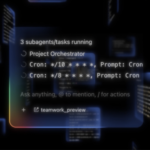
At the heart of Google’s latest announcements is Gemini 3.5 Flash, a new AI model that emphasizes agentic capabilities. This means Gemini is becoming more adept at understanding and executing multi-step instructions, acting as a personal assistant that can proactively manage tasks. This shift is Google’s bet on the next wave of AI, moving beyond traditional chatbots to intelligent agents. These agents are designed to provide 24/7 assistance and integrate seamlessly with various Google services. For instance, the Gemini app is evolving to offer more agentic, proactive help, making it easier to manage daily activities and information. Users can now expect more intuitive and integrated assistance from their AI tools (Source: TechCrunch, Google Blog).
New AI-Powered Google Search & Tools
Google Search itself is undergoing a transformation with new AI integrations. The company introduced an AI-powered search box, designed to provide more comprehensive and intelligent answers directly within search results. This update could fundamentally change how users find information, offering more direct solutions rather than just links. Furthermore, Google’s AI Studio now allows anyone to build Android apps in minutes, democratizing app development and making it accessible to a broader audience. Another notable launch is Antigravity 2.0, an updated desktop app and CLI tool aimed at developers, streamlining their workflow (Source: TechCrunch, ZDNET).
Google’s Creative AI: Omni and Genie
Beyond agentic intelligence, Google is also pushing the boundaries of creative AI. Gemini Omni is a groundbreaking tool that can transform images, audio, and text into video, offering immense potential for content creators and businesses looking to generate dynamic media. Complementing this, Google’s Genie world model can now simulate real streets using Street View data, opening new possibilities for virtual environments and detailed simulations. These tools represent significant new AI model breakthroughs in multimodal AI, allowing for more immersive and interactive experiences (Source: TechCrunch, Google DeepMind).
OpenAI and Anthropic: Other Key AI Launches
While Google has been busy with Gemini, other leading AI companies like OpenAI and Anthropic have also made their own significant contributions to the rapidly evolving AI landscape.
OpenAI’s Image Watermarks for Authenticity
Addressing the growing concerns about deepfakes and the authenticity of digital content, OpenAI has introduced new image watermarks. These watermarks are designed to make it easier to identify images that have been generated by their AI models. This move is crucial for maintaining trust in digital media and helping users distinguish between human-created and AI-generated content. It’s a proactive step towards responsible AI development, allowing for greater transparency and accountability in the creation of visual assets (Source: TechCrunch, OpenAI News).
Anthropic’s Claude Opus 4.7 & Design Tools
Anthropic, known for its focus on AI safety and research, has launched Claude Opus 4.7. This latest iteration of their powerful LLM brings stronger performance across various tasks, including coding, agentic functions, vision, and multi-step processes. It offers greater thoroughness and consistency, making it a more reliable and capable AI assistant. Additionally, Anthropic introduced Claude Design, a new product from Anthropic Labs. This tool enables users to collaborate with Claude to create polished visual work, such as designs, prototypes, slides, and one-pagers. This expands Claude’s utility into creative fields, offering a powerful new AI automation tool for designers and content creators (Source: Anthropic News).
Why These AI Launches Matter
The recent new launch in AI from these tech giants are not just incremental updates; they represent a significant shift in how AI will integrate into our lives and work. Here’s why they matter:
- Increased Automation and Efficiency: Google’s agentic Gemini models and Anthropic’s enhanced Claude mean more complex tasks can be automated, freeing up human time for more creative and strategic work. This is particularly beneficial for small business owners and professionals.
- Enhanced Creativity and Content Generation: Tools like Google’s Gemini Omni and Claude Design empower creators with advanced capabilities for generating video, images, and designs from simple prompts, pushing the boundaries of digital content creation.
- Improved Information Access: Google’s AI-powered Search aims to deliver more direct and comprehensive answers, making information retrieval faster and more intuitive for everyone.
- Addressing Ethical Concerns: OpenAI’s image watermarks highlight a growing commitment to responsible AI development, providing tools to combat misinformation and ensure transparency in AI-generated content.
- Democratization of Technology: Google AI Studio, allowing anyone to build Android apps, lowers the barrier to entry for development, fostering innovation across a broader user base.
Who Do These New AI Launches Affect?
These new AI launches have broad implications across various user groups:
- General Readers: Everyday users will experience more intelligent and proactive assistance from their devices, especially through updated Gemini apps and a more intuitive Google Search experience.
- Creators and Designers: With tools like Gemini Omni for video generation and Claude Design for visual work, creators gain powerful new capabilities to bring their ideas to life more efficiently. OpenAI’s watermarks also provide a layer of trust for their digital creations.
- Small Business Owners: The agentic capabilities of Gemini can streamline operations, automate customer service, and assist with data analysis, offering significant efficiency gains.
- Students and Professionals: Access to advanced AI models for research, coding (Claude Opus 4.7), and even app development (Google AI Studio) provides powerful new learning and productivity tools.
- Developers: Google’s Antigravity 2.0 and Managed Agents in the Gemini API offer new frameworks and tools for building more sophisticated AI applications.
What to Watch Next in AI
The rapid pace of AI innovation suggests even more transformative changes are on the horizon. Here are key areas to monitor:
- Further Agentic AI Development: Expect AI systems to become even more autonomous, capable of handling complex, multi-step tasks with minimal human intervention. The focus will be on seamless integration across platforms and services.
- Multimodal AI Expansion: The ability of AI to process and generate content across text, image, audio, and video will continue to advance, leading to more immersive and interactive digital experiences.
- AI Ethics and Regulation: As AI becomes more powerful, discussions around ethical guidelines, data privacy, and the responsible use of AI (like deepfake detection) will intensify.
- Personalized AI Experiences: AI will likely become even more tailored to individual user preferences and behaviors, offering highly customized assistance and content.
- Accessibility and Democratization: Efforts to make AI tools and development platforms more accessible to non-technical users will continue, fostering innovation from diverse communities.
FAQ
What is the bottom line on new launch in ai?
The latest AI launches emphasize agentic capabilities, meaning AI is becoming more proactive and capable of handling complex, multi-step tasks. Key updates include Google’s Gemini 3.5 Flash and AI-powered Search, OpenAI’s image watermarks for authenticity, and Anthropic’s Claude Opus 4.7 and new design tools. These innovations aim to enhance automation, creativity, and information access for a wide range of users.
Who is new launch in ai best for or most relevant to?
These new AI launches are relevant to a broad audience, including general readers seeking smarter digital assistants, creators and designers looking for advanced content generation tools, small business owners aiming for increased automation, and students and professionals who can leverage these tools for learning, coding, and productivity.
What are the main benefits and risks of new launch in ai?
Benefits: Increased efficiency through automation, enhanced creative capabilities, more intuitive information access, and democratization of app development. Risks: Concerns about deepfakes and content authenticity (addressed by OpenAI’s watermarks), potential job displacement due to automation, and ethical considerations regarding AI’s growing autonomy and data usage.
How does new launch in ai compare with alternatives?
The current landscape features strong competition. Google’s Gemini models are pushing agentic AI and multimodal content creation (text-to-video) with deep integration into its ecosystem. OpenAI focuses on powerful LLMs like ChatGPT and now addresses content authenticity with image watermarks. Anthropic’s Claude models prioritize safety and offer advanced capabilities in coding and design, often positioning itself as an ad-free, trust-focused alternative. Each platform offers unique strengths, catering to different user needs and priorities.
What should readers check before deciding on new launch in ai?
Before adopting any new AI tool, readers should consider: its specific capabilities and how they align with their needs, privacy policies and data handling practices, ease of integration with existing workflows, cost (if applicable), and the developer’s commitment to ethical AI development and transparency. It’s also wise to read reviews and explore practical use cases to ensure the tool delivers real value.