
The world of artificial intelligence is moving at an incredible pace, with a significant new launch in AI seemingly happening every week. From advanced language models to sophisticated robotics and practical applications, these developments are reshaping how we work, create, and interact with technology. Keeping up can be a challenge, but understanding the key updates is crucial for anyone looking to leverage AI’s potential.
This article cuts through the technical noise to bring you a clear overview of the most impactful recent AI launches and innovations, explaining what they are, why they matter, and what to watch for next.
Quick Answer: Latest AI Launches
Recent significant AI launches include Google’s Gemini 3.7 Flash and advancements in Gemini Robotics, Anthropic’s Claude Opus 5 and Sonnet 5 models with enhanced capabilities, and various updates from companies like Microsoft, Nvidia, and Apple integrating more powerful AI features into their platforms and tools, driving innovation across diverse applications from medical consultations to creative work.
Table of Contents
- Key AI Launches and Updates
- Why These New AI Launches Matter
- Who is Affected by the Latest AI Updates
- What to Watch Next in AI
- FAQ
Key AI Launches and Updates
The past few months have seen a flurry of activity in the AI space, with major players and innovative startups alike unveiling powerful new capabilities. These latest AI news updates highlight the rapid evolution of artificial intelligence and its growing integration into our daily lives.
Google and DeepMind’s Latest Innovations
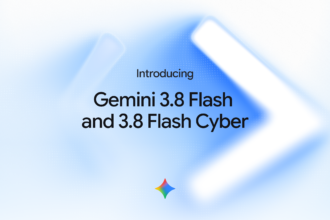
Google and its AI research arm, DeepMind, continue to push boundaries with several significant announcements. One notable development is the introduction of Gemini 3.7 Flash, a new iteration of their powerful LLM updates designed for efficiency and speed. The Gemini app itself has reached a milestone, now being used by over a billion people monthly, with continuous enhancements like new app connections and the latest July Gemini Drop providing users with more integrated experiences. According to the Google Blog, this signals a move towards an “agentic Gemini era,” where AI assists users more proactively.
Beyond general-purpose models, Google DeepMind has also made strides in specialized AI. Their research medical AI system, AMIE, is demonstrating real-time clinical video consultation capabilities, a first-of-its-kind study that could revolutionize healthcare. In robotics, Gemini Robotics ER 2 is powering advanced robotic systems with enhanced video understanding, task orchestration, and multi-robot collaboration, bringing “whole body intelligence to robots” as highlighted by DeepMind’s newsroom. For creators, Lyria 3.5 has launched in Google Flow Music, offering significant advances in musicality, lyrics, vocals, and creative control. Furthermore, Google is now allowing users to remove visible watermarks from its AI-generated content, offering more flexibility for creative applications, as noted by TechCrunch.
Anthropic’s Claude Advancements
Anthropic, a leading AI safety and research company, has also unveiled significant upgrades to its Claude family of models. The introduction of Claude Opus 5 marks a substantial improvement, particularly for powering long-running agents and enhancing capabilities in coding and professional tasks. Similarly, Sonnet 5 delivers frontier performance across coding, agents, and professional work at scale. Anthropic’s newsroom emphasizes these models’ role in building reliable and steerable AI systems.
Anthropic is also actively engaged in addressing ethical concerns, sharing more details about how Claude’s new watermarks will function to ensure transparency and accountability in AI-generated content. The company’s CEO has also addressed the growing AI backlash, framing it as fundamentally a “crisis of trust,” underscoring the importance of responsible AI development.
Other Notable AI Developments
The broader AI landscape is bustling with activity from various companies:
- Stripe’s Acquisition of OpenRouter: Payment giant Stripe is reportedly acquiring AI gateway startup OpenRouter for over $7 billion, indicating a significant investment in AI infrastructure and integration, reported TechCrunch.
- Microsoft Copilot Integration: Microsoft is merging Copilot and Copilot 365 into a single unified app, streamlining its AI assistant offerings for users, according to ZDNET.
- Nvidia’s Nemotron 3.5 Lightning: Nvidia has launched its open Nemotron 3.5 Lightning model, focusing on specialized, local agentic AI, which could empower more tailored and private AI applications.
- Apple’s Siri Intelligence: Apple is working to enhance Siri with its own brand of AI intelligence, aiming to make its virtual assistant more capable and intuitive, as highlighted by The Verge.
- OpenFactory for Linux Distros: A new AI tool called OpenFactory allows users to build their own Linux distributions overnight, showcasing the power of AI in simplifying complex development tasks.
- Writer’s New AI Model: Writer has introduced a new AI model and an upgraded harness designed to contain token costs, addressing a key challenge for businesses using large language models.
Why These New AI Launches Matter
These recent AI innovations are not just technical feats; they represent a significant shift in how AI is being developed and deployed. For general users, the improvements in models like Gemini and Claude mean more capable and reliable AI assistants for everything from writing emails to generating creative content. The focus on ethical AI, watermarking, and addressing trust issues reflects a growing maturity in the industry, acknowledging the societal impact of these powerful tools.
For businesses and creators, the advancements in areas like AI automation, coding, and specialized applications (e.g., medical AI, music generation, robotics) open up new avenues for efficiency, innovation, and problem-solving. The acquisition of OpenRouter by Stripe, for instance, signals a move towards embedding AI deeper into core business operations. These new AI model breakthroughs are designed to offer practical benefits, whether through cost containment in AI usage or more intuitive user experiences.
Key Details of Recent AI Launches
To provide a clearer picture, here’s a quick summary of some key recent AI launches and their primary focus:
| Launch/Update | Company | Primary Focus | Key Benefit |
|---|---|---|---|
| Gemini 3.7 Flash | Google DeepMind | Efficient, fast LLM | Improved speed and performance for AI tasks |
| Claude Opus 5 & Sonnet 5 | Anthropic | Advanced LLMs for agents, coding, professional work | Enhanced capabilities for complex, long-running AI applications |
| AMIE (Medical AI) | Google DeepMind | Real-time clinical video consultations | Potential to transform healthcare diagnostics and support |
| Gemini Robotics ER 2 | Google DeepMind | Robotics with video understanding & collaboration | More intelligent and cooperative robotic systems |
| Lyria 3.5 | Google DeepMind | AI for music generation (Google Flow Music) | Greater creative control and quality in AI-generated music |
| OpenRouter Acquisition | Stripe | AI gateway infrastructure | Deeper integration of AI into financial and business services |
| Nemotron 3.5 Lightning | Nvidia | Specialized, local agentic AI | Tailored and private AI solutions for specific uses |
Who is Affected by the Latest AI Updates
These advancements have a broad reach, impacting various groups:
- General Users: With latest Gemini AI updates, and improvements to other chatbots like Claude and Apple’s Siri, everyday tasks become easier and more efficient.
- Creators and Developers: Tools like Lyria 3.5 offer new creative possibilities, while advanced coding models from Anthropic and specialized AI from Nvidia provide powerful resources for development.
- Small Business Owners: Increased AI automation capabilities, such as those from Microsoft Copilot, can streamline operations and improve productivity. The focus on containing token costs by companies like Writer also makes advanced AI more accessible.
- Professionals: Fields like healthcare stand to benefit significantly from specialized AI systems like AMIE, enhancing diagnostic capabilities and patient care.
- The AI Industry: Acquisitions like Stripe’s OpenRouter deal show a consolidation and expansion of AI infrastructure, influencing market dynamics and future innovation.
What to Watch Next in AI
The rapid pace of AI development shows no signs of slowing down. Here’s what to keep an eye on:
- Further Agentic AI Development: Google’s push towards an “agentic Gemini era” suggests a future where AI systems are more autonomous and capable of handling complex, multi-step tasks.
- Ethical AI and Trust: The ongoing discussions around AI backlash and the implementation of watermarks by companies like Anthropic and Google highlight the critical importance of developing AI responsibly and transparently. Expect more industry-wide frameworks for safety and trust.
- Specialized AI Applications: Beyond general-purpose LLMs, we’ll likely see more AI models tailored for specific industries, such as medical AI, climate forecasting (like DeepMind’s WeatherNext), and advanced robotics.
- Integration into Everyday Devices: As seen with Apple’s efforts to enhance Siri, AI will become even more deeply embedded in our smartphones, smart home devices, and vehicles, making interactions more seamless and intelligent.
- Open-Source AI Models: Initiatives like Nvidia’s Nemotron 3.5 Lightning suggest a growing trend towards open-source AI, which could democratize access to advanced AI capabilities and foster broader innovation.
FAQ
What is the bottom line on new launch in AI?
The bottom line is that AI development is accelerating across all fronts, with major companies releasing more powerful, specialized, and integrated models and tools. These new launches are enhancing capabilities in areas like language understanding, robotics, healthcare, and creative arts, while also bringing increased focus to ethical considerations and trust.
Who is a new launch in AI best for or most relevant to?
New AI launches are relevant to a broad audience, including general consumers who use AI-powered apps and devices, creators and developers seeking advanced tools, small business owners looking for automation solutions, and professionals in specialized fields like healthcare and finance who can leverage AI for complex tasks.
What are the main benefits and risks of a new launch in AI?
The main benefits include increased efficiency, new creative possibilities, enhanced problem-solving capabilities, and improved access to information. Risks involve ethical concerns such as misuse, privacy issues, the potential for misinformation (though watermarking aims to mitigate this), and the challenge of maintaining public trust, as noted by Anthropic’s CEO.
How does a new launch in AI compare with alternatives?
Each new AI launch often builds upon or competes with existing technologies. For example, new LLMs like Claude Opus 5 and Gemini 3.7 Flash aim to surpass previous versions or rival models in performance, efficiency, or specific capabilities like coding. Specialized AI tools often offer more targeted solutions than general-purpose alternatives.
What should readers check before deciding on a new launch in AI for their needs?
Before adopting a new AI tool or model, readers should check its specific capabilities, compatibility with existing systems, privacy policies, security features, cost implications (including token costs), and the developer’s commitment to ethical AI practices. It’s also wise to look for user reviews and practical use cases relevant to their specific needs.
Related Reading