The world of artificial intelligence is buzzing with significant advancements, primarily driven by Google’s latest offerings: Gemini Omni and Gemini 3.5. These updates mark a pivotal shift towards more ‘agentic’ AI, meaning AI that can proactively assist users and handle complex tasks autonomously. Alongside Google’s innovations, Anthropic has also made waves with its Opus 4.8 model, emphasizing honesty as a core feature. These developments are reshaping how we interact with technology, from daily tasks to scientific research.
For general readers, creators, small business owners, students, and professionals, understanding these latest AI news is crucial. They represent not just incremental improvements but foundational changes in AI capabilities that promise to make digital tools more intuitive, powerful, and integrated into our lives. From managing schedules to generating files, the new wave of AI aims to be a constant, intelligent companion.
Quick Takeaways: Latest AI Update
- Google’s Agentic Gemini: Gemini Omni and Gemini 3.5 introduce proactive, 24/7 assistance, file generation, and managed agents for developers.
- Anthropic’s Opus 4.8: Focuses on improved honesty and reduced misalignment rates.
- Broader Impact: AI is becoming more integrated into everyday tools, from coding to personal assistants like Android with Gemini Intelligence.
- Key Trends: The shift is towards AI models that can take action, understand complex contexts, and offer more reliable outputs.
Table of Contents
- What’s New in AI: Key Updates Explained
- Why These AI Updates Matter
- Who Do These AI Updates Affect?
- Practical Applications and How to Evaluate New AI
- Risks and Limitations of the Latest AI Updates
- What to Watch Next in AI
- FAQ
What’s New in AI: Key Updates Explained
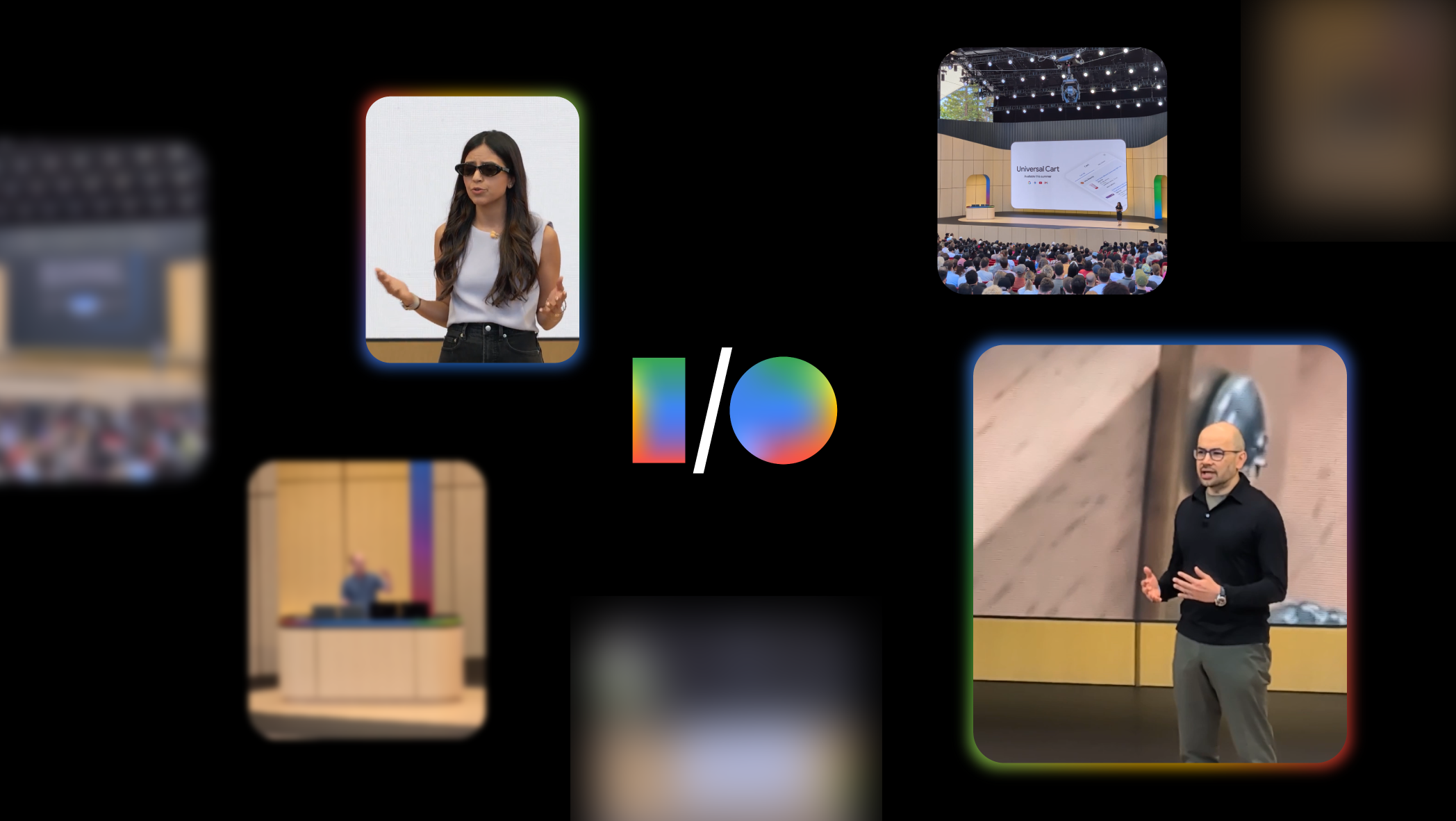
The recent ai update landscape is dominated by advancements from major tech players. Google, through its I/O 2026 event and DeepMind research, has unveiled significant enhancements to its Gemini family of models. The introduction of latest Gemini AI updates, including Gemini Omni and Gemini 3.5, signals a move towards more ‘agentic’ capabilities. This means the Gemini app can now offer proactive, around-the-clock help, digitize paper notes, and even generate files with ease. Developers also benefit from Managed Agents in the Gemini API and Google AI Studio, making it simpler to build with these powerful models (Google Blog, Google DeepMind).
Not to be outdone, Anthropic has launched Opus 4.8, a model that highlights honesty as its killer feature. ZDNET reports that Opus 4.8’s misalignment rates are similar to its Claude Mythos Preview, suggesting a concerted effort to improve the reliability and trustworthiness of AI outputs (ZDNET). These developments reflect a broader industry trend towards not only more capable AI but also more responsible and transparent AI systems.
Why These AI Updates Matter
These latest AI updates are significant because they push the boundaries of what AI can do, moving beyond simple conversational tasks to more complex, goal-oriented actions. The concept of ‘agentic AI’ means that models like Gemini Omni and 3.5 are designed to understand user intent more deeply and execute multi-step tasks autonomously. Imagine an AI that not only answers your questions but also proactively manages your calendar, drafts emails based on context, or even organizes your digital files without explicit, step-by-step commands. This shift translates directly into enhanced productivity and efficiency for individuals and businesses alike. For instance, the ability to generate files directly within Gemini or digitize paper notes streamlines workflows, saving valuable time and reducing manual effort.
Furthermore, Anthropic’s focus on ‘honesty’ with Opus 4.8 addresses a critical challenge in AI: reliability and trustworthiness. As AI becomes more integrated into decision-making processes, from medical diagnostics to financial analysis, the accuracy and truthfulness of its outputs are paramount. Reducing misalignment rates means users can have greater confidence in the information provided by the AI, minimizing the risk of misinformation or biased results. This commitment to ethical AI development is vital for fostering trust and ensuring that these powerful tools serve humanity responsibly. These advancements aren’t just about new features; they’re about building a more intelligent, helpful, and dependable digital ecosystem.
Who Do These AI Updates Affect?
The impact of this ai update wave is far-reaching, touching various segments of our audience:
- General Readers: Everyday users will experience more intuitive and proactive digital assistants. Think of an AI that anticipates your needs, offers timely suggestions, and helps manage daily tasks without being asked. This could mean smarter navigation, personalized recommendations, or effortless organization of personal data.
- Creators: Writers, designers, and content creators can leverage these models for enhanced brainstorming, drafting content, generating ideas, and even automating repetitive creative tasks. The ability to generate various file types or refine concepts quickly can significantly boost creative output.
- Small Business Owners: For small businesses, these updates mean more powerful AI automation tools. From automating customer service inquiries and generating marketing copy to analyzing sales data and streamlining operational workflows, agentic AI can act as a virtual assistant, enhancing efficiency and reducing overhead.
- Students: Academic life can be transformed with AI that helps organize notes, summarize complex texts, assist with research, and even create study guides. The ability to digitize paper notes and generate summaries can make learning more efficient and accessible.
- Professionals: Across various industries, professionals can utilize these advanced LLMs for data synthesis, report generation, project management assistance, and informed decision-making. AI can help process vast amounts of information, identify patterns, and provide actionable insights.
- Developers: With Managed Agents in the Gemini API and robust tools like Google AI Studio, developers gain more powerful building blocks to create sophisticated, context-aware applications. This opens up new possibilities for innovation and custom AI solutions.
Practical Applications and How to Evaluate New AI
Leveraging these new AI capabilities involves understanding their practical applications. For instance, with the latest Gemini AI updates, users can now experience a truly proactive digital companion. Imagine the Gemini app automatically suggesting a route change based on real-time traffic, or drafting a response to an email you’ve just received, all without you initiating the command. Its file generation feature means you could simply describe a document you need, and Gemini could create a basic draft, saving you the initial setup time.
Anthropic’s Opus 4.8, with its emphasis on honesty, is particularly valuable for tasks requiring high accuracy. This could include generating summaries of research papers, drafting legal documents, or creating educational content where factual correctness is paramount. Users can test its reliability by cross-referencing its outputs with trusted sources and observing its consistency over time.
When evaluating any new AI model or tool, consider these points:
- Transparency: Does the AI explain its reasoning or sources?
- Accuracy: How often does it provide correct information, especially for critical tasks?
- Bias: Does it exhibit any noticeable biases in its responses or generations?
- Integration: How well does it fit into your existing digital ecosystem and workflows?
- User Experience: Is it intuitive and easy to use?
- Privacy: What data does it collect, and how is it protected?
- Specific Use Cases: Test the AI with tasks directly relevant to your needs to see if it truly delivers value.
Risks and Limitations of the Latest AI Updates
While the recent ai update brings exciting possibilities, it’s essential to acknowledge the inherent risks and limitations. Even with models like Anthropic’s Opus 4.8 focusing on “honesty,” AI systems can still exhibit biases. These biases often stem from the vast datasets they are trained on, which may reflect societal prejudices or incomplete information. Users must remain critical of AI-generated content and not treat it as infallible truth.
Another concern is the potential for over-reliance. As AI becomes more ‘agentic’ and capable of autonomous action, there’s a risk of users becoming overly dependent, potentially diminishing critical thinking skills or human oversight in crucial processes. Privacy is also a significant consideration, particularly for agentic AI that may require access to personal data to provide proactive assistance. Understanding how your data is collected, stored, and used by these AI systems is paramount.
Furthermore, despite advancements, AI models can still “hallucinate” – generating plausible-sounding but factually incorrect information. While efforts are being made to reduce this, it’s a persistent challenge. The broader societal impact, including potential job displacement as AI automates more complex tasks, also remains a topic of ongoing discussion and requires careful consideration from policymakers and developers alike.
What to Watch Next in AI
The rapid pace of AI innovation means there’s always something new on the horizon. Looking ahead, we can expect several key trends to define the next phase of LLM updates and AI development:
- Further Agentic Advancements: AI will likely become even more sophisticated in understanding context, anticipating needs, and executing complex, multi-step tasks across different applications. We might see AI agents capable of truly managing projects from start to finish, coordinating with other digital tools and even human collaborators.
- Enhanced Multimodality: Expect AI models to seamlessly integrate and process information from all modalities – text, images, audio, video, and even sensory data – leading to a more holistic understanding of the world and more natural human-AI interaction.
- Ethical AI and Regulation: As AI becomes more powerful, the focus on ethical development, transparency, safety, and regulatory frameworks will intensify. Efforts to mitigate bias, ensure fairness, and establish clear guidelines for AI use will be crucial.
- Specialized AI Models: Beyond general-purpose LLMs, we’ll see a rise in highly specialized AI models tailored for specific industries like healthcare, finance, or manufacturing, offering deep expertise and precision in niche applications.
- Edge AI and Personal Devices: More AI processing will occur directly on personal devices (smartphones, wearables) rather than solely in the cloud, offering faster responses, enhanced privacy, and offline capabilities.
- Continued Competition and Open Source: The competitive landscape among major tech companies (Google, OpenAI, Anthropic, Microsoft, Apple) will drive innovation, alongside a growing ecosystem of open-source AI models that democratize access to advanced capabilities.
Staying informed about these developments will be key for anyone looking to harness the full potential of AI.
FAQ
What is ‘agentic AI’?
Agentic AI refers to artificial intelligence systems designed to understand user intent, plan a series of actions, and execute complex, multi-step tasks autonomously to achieve a specific goal, often without needing explicit, step-by-step instructions from the user. It’s about AI taking initiative.
How do Google’s Gemini Omni and Gemini 3.5 differ?
While both are advanced Gemini updates, Gemini Omni is generally understood to be Google’s most advanced, multimodal, and agentic model, capable of handling highly complex tasks across various data types. Gemini 3.5 represents a significant iteration, offering frontier intelligence with enhanced action capabilities and improved performance over previous Gemini versions, making it more efficient and capable for a wide range of applications.
What is the main benefit of Anthropic’s Opus 4.8?
The primary benefit of Anthropic’s Opus 4.8 is its strong focus on “honesty” and reduced misalignment rates. This means the model is specifically designed to provide more reliable, factual, and less biased outputs, which is crucial for applications requiring high accuracy and trustworthiness, such as research, legal drafting, or critical analysis.
Are these new AI models safe to use?
AI developers are continuously working to improve the safety and ethical alignment of their models. While advancements like Opus 4.8’s honesty feature are positive steps, no AI model is entirely free from risks like bias or occasional inaccuracies (hallucinations). Users should always exercise critical judgment, verify important information, and be aware of the data privacy policies associated with any AI tool they use. Responsible usage and ongoing development are key to maximizing their benefits while mitigating risks.