
For small business owners, the idea of leveraging advanced technology to streamline operations often sounds appealing but complex. However, the landscape of AI automation tools is rapidly evolving, making powerful solutions more accessible than ever. A prime example is Anthropic’s recent focus on small businesses with its Claude AI, designed to bring sophisticated artificial intelligence capabilities to a new customer base.
So, are AI automation tools for small businesses truly worth the investment? The quick verdict is yes, especially with tailored offerings like Claude for Small Business. These tools promise to boost productivity, enhance decision-making, and free up valuable time by automating routine tasks, allowing small enterprises to compete more effectively in a dynamic market.
Table of Contents
- What Are AI Automation Tools for Small Businesses?
- Anthropic’s Claude for Small Business: A Deep Dive
- Pros and Cons of AI Automation for Small Businesses
- What to Check Before Adopting AI Automation Tools
- The Future of AI Automation for Small Businesses
- Quick Facts: AI Automation for Small Businesses
- FAQ about AI Automation Tools for Small Businesses
What Are AI Automation Tools for Small Businesses?
AI automation tools are software applications that use artificial intelligence and machine learning to perform tasks that would typically require human intervention. For small businesses, this can range from automating customer service responses and managing schedules to generating content and analyzing data. The goal is to increase efficiency, reduce operational costs, and improve overall business performance by handling repetitive or complex tasks with speed and accuracy.
Why does this matter for small businesses? Unlike larger corporations with extensive resources, small businesses often operate with lean teams and tight budgets. AI automation offers a way to scale operations without proportional increases in headcount or expenditure, enabling them to punch above their weight. This includes everything from generative AI models that create text or images to predictive analytics that forecast market trends, as discussed by TechCrunch in their coverage of artificial intelligence and machine learning technology. (Source: TechCrunch)
Anthropic’s Claude for Small Business: A Deep Dive
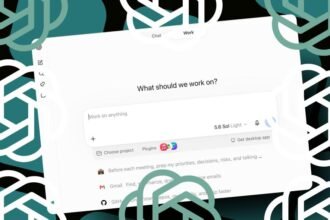
Anthropic, an AI safety and research company, has made a significant move by introducing ‘Claude for Small Business’ (Source: Anthropic Newsroom). This specialized offering, launched recently, is tailored to meet the unique demands of smaller enterprises, providing them access to advanced conversational AI capabilities that were once exclusive to larger organizations. Claude for Small Business aims to deliver stronger performance across crucial business functions such as coding assistance, acting as intelligent agents for various tasks, handling vision-based queries, and executing complex multi-step workflows with greater thoroughness and consistency. This means small businesses can leverage Claude to automate customer support interactions, generate marketing copy, assist with data analysis, or even help in drafting intricate business proposals. Anthropic’s core mission revolves around building reliable, interpretable, and steerable AI systems, ensuring that even as the AI automates tasks, it does so safely and predictably. They’ve also highlighted their commitment to keeping Claude ad-free, prioritizing user trust and a genuinely helpful AI assistant experience. This focus on ethical AI development and practical application makes Claude a compelling option for small businesses looking to adopt sophisticated LLM updates without compromising on reliability.
Pros and Cons of AI Automation for Small Businesses
Embracing AI automation can bring transformative benefits, but it’s essential for small businesses to weigh both the advantages and potential challenges:
- Increased Efficiency and Productivity: AI tools excel at automating repetitive, time-consuming tasks like scheduling, data entry, email responses, and report generation, freeing up valuable human capital for more strategic and creative endeavors.
- Cost Reduction: By automating processes, businesses can reduce the need for manual labor in certain areas, potentially leading to significant operational cost savings over time.
- Improved Customer Experience: AI-powered chatbots and virtual assistants can offer 24/7 customer support, provide personalized recommendations, and deliver faster, more consistent response times, enhancing customer satisfaction.
- Enhanced Decision-Making: AI tools can rapidly analyze vast amounts of data, identifying trends, patterns, and insights that might be missed by human analysis. This leads to more informed and data-driven business decisions in areas like marketing, sales, and inventory management.
- Scalability: AI automation allows small businesses to handle increased workloads and grow operations without necessarily needing proportional increases in human resources or infrastructure.
- Competitive Edge: Adopting advanced AI technologies can help small businesses compete more effectively with larger enterprises, offering similar levels of service and efficiency.
However, there are also considerations:
- Initial Investment: The upfront costs for AI software, integration with existing systems, and employee training can be a barrier for some small businesses.
- Complexity of Integration: Seamlessly integrating new AI tools with existing software and workflows (e.g., CRM, accounting, communication platforms) can sometimes be challenging and require technical expertise.
- Data Privacy and Security Concerns: AI systems often require access to sensitive business and customer data. Ensuring robust data security and compliance with privacy regulations (like GDPR or CCPA) is paramount.
- Need for Human Oversight: AI is a powerful tool, but it’s not infallible. Human supervision remains crucial to ensure accuracy, ethical use, and to intervene when AI encounters novel or ambiguous situations.
- Learning Curve: Employees will need training and time to adapt to new AI tools and workflows, which can temporarily impact productivity.
What to Check Before Adopting AI Automation Tools
Before diving headfirst into AI automation, small business owners should conduct a thorough evaluation to ensure a successful implementation:
1. Identify Specific Needs and Pain Points
Clearly define the most time-consuming, repetitive, or error-prone tasks in your business. Where can AI truly make a tangible difference? Focus on areas like customer service, marketing, data analysis, or administrative tasks. Avoid automating for automation’s sake; instead, target areas that yield the highest impact.
2. Evaluate Return on Investment (ROI)
Consider the potential cost savings, productivity gains, and revenue increases versus the initial investment and ongoing maintenance costs. Look for tools that offer clear value propositions and a reasonable payback period. A positive ROI is key to justifying the expenditure.
3. Ease of Integration
Will the AI tool seamlessly integrate with your existing software and workflows (e.g., CRM, accounting software, communication platforms)? Complex or clunky integrations can negate efficiency gains and lead to frustration. Prioritize tools with open APIs or pre-built connectors.
4. Data Security and Privacy
Small businesses handle sensitive information, from customer data to financial records. Ensure any AI tool you choose complies with relevant data protection regulations (e.g., GDPR, CCPA) and has robust security protocols to protect your information from breaches or misuse.
5. Scalability and Support
Can the tool grow with your business as your needs evolve? What kind of customer support, documentation, and training does the vendor offer? Reliable support is crucial, especially for businesses new to AI, to troubleshoot issues and maximize the tool’s potential.
The Future of AI Automation for Small Businesses
The trajectory of AI automation for small businesses is one of increasing sophistication and accessibility. We can expect more personalized AI assistants, deeper integration across business functions, and even more intuitive user interfaces that require minimal technical expertise. The trend towards specialized AI model applications, like Claude for Small Business, will continue, offering tailored solutions for specific industries or business sizes. We’ll see AI not just automating tasks but actively providing strategic recommendations, predicting market shifts, and even generating creative content with greater nuance. As latest AI news indicates, the pace of innovation is relentless, with companies like Google continually pushing the boundaries of what’s possible with tools like Gemini updates. Small businesses that embrace this evolution will find themselves better equipped to navigate competitive landscapes, innovate faster, and build stronger customer relationships.
Quick Facts: AI Automation for Small Businesses
- Purpose: Boost efficiency, reduce costs, and improve decision-making across various business functions.
- Key Benefit: Enables small businesses to scale operations and compete effectively without proportional increases in headcount.
- Example Tool: Anthropic’s Claude for Small Business offers advanced conversational AI capabilities tailored for smaller enterprises.
- Considerations Before Adoption: Thoroughly evaluate ROI, ease of integration, robust data security and privacy measures, and the availability of vendor support.
- Future Outlook: Expect increasingly specialized, deeply integrated, and user-friendly AI tools that offer strategic recommendations and advanced content generation.
FAQ about AI Automation Tools for Small Businesses
Q: What kind of tasks can AI automation tools handle for a small business?
A: AI automation tools can handle a wide range of tasks, significantly impacting various aspects of a small business. These include automating customer service (e.g., chatbots handling FAQs, routing inquiries), streamlining email management (auto-responses, categorization, drafting replies), scheduling appointments and managing calendars, generating marketing content (blog posts, social media updates, ad copy), performing data entry, processing invoices, assisting with basic accounting, qualifying leads, and even personalizing sales outreach. The specific capabilities depend on the tool, but the general aim is to automate repetitive, rule-based, or data-intensive processes, freeing up human staff.
Q: Is AI automation expensive for small businesses?
A: The cost of AI automation varies significantly. While some enterprise-level AI solutions can indeed be expensive, many AI automation tools are now offered on flexible subscription models with tiered pricing, making them increasingly accessible to small businesses. Many providers also offer free trials or freemium versions, allowing businesses to test the waters before committing. The key is to evaluate the potential return on investment (ROI) by comparing the cost of the tool against the time and money saved, or the new revenue generated. Often, the efficiency gains and competitive advantages quickly outweigh the initial investment.
Q: Do AI automation tools replace human employees?
A: Generally, no. AI automation tools are primarily designed to augment human capabilities, not replace them entirely. They excel at taking over mundane, repetitive, and data-heavy tasks, thereby freeing up human employees to focus on more strategic, creative, and complex problem-solving activities that require human judgment, empathy, critical thinking, and interpersonal skills. Instead of leading to widespread job displacement, the trend is more towards job transformation, where employees can engage in higher-value work, interact more meaningfully with customers, and contribute to business growth in new ways.
Q: How can a small business get started with AI automation?
A: Getting started with AI automation can be a gradual and strategic process. Begin by identifying one or two specific pain points or bottlenecks in your business where automation could have the most significant impact. Research tools specifically designed for those tasks (e.g., a customer service chatbot, a content generation tool for marketing, or an automated scheduling assistant). Start with a free trial or a basic subscription plan to test the tool’s effectiveness. Train your team on how to use the tool efficiently and monitor its performance closely. As you gain confidence and see tangible results, you can gradually expand your AI automation efforts across other areas of your business, scaling up as needed.