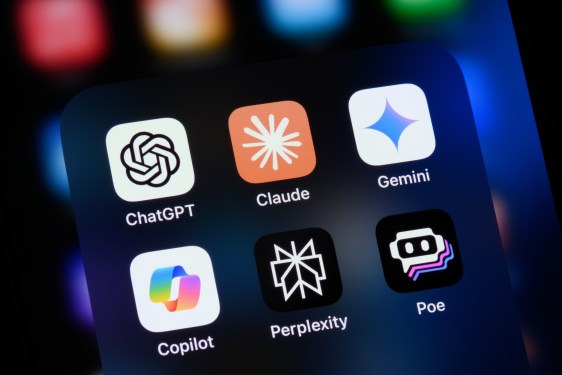
The world of artificial intelligence is constantly evolving, with major tech giants regularly announcing significant advancements. Recently, Google, Microsoft, and Anthropic have each unveiled a new launch in AI, introducing powerful models and tools designed to reshape how we interact with technology and automate tasks. These updates bring new capabilities for both everyday users and businesses, from more ‘agentic’ AI assistants to advanced reasoning models.
For those following the latest AI news, these developments represent a crucial step forward. They promise to make AI more integrated, intelligent, and useful across various applications. Understanding these new launches is key to grasping the future direction of artificial intelligence and its impact on our digital lives.
Table of Contents
- Quick Takeaways
- Key AI Launches You Need to Know
- Why These New AI Launches Matter
- Who Is Affected by These Advancements?
- Risks and Ethical Considerations
- What to Watch Next in AI
- FAQ about New AI Launches
Quick Takeaways
- Google’s Agentic Gemini Era: Google is pushing its Gemini app to be more proactive and helpful, introducing Gemini Omni and Gemini 3.5, alongside new developer tools.
- Microsoft’s Reasoning Models & Tools: Microsoft has launched its first reasoning AI model, MDASH for threat hunting, and Scout, an AI assistant, enhancing developer control over AI agents.
- Anthropic’s Claude Opus 4.8 & Design: Anthropic has upgraded Claude to Opus 4.8 for stronger performance in complex tasks and introduced Claude Design for visual collaboration.
- Broader Impact: These launches aim to make AI more accessible, powerful for automation, and integrated into daily work and personal life.
Key AI Launches You Need to Know
Recent announcements from leading AI companies highlight a rapid acceleration in artificial intelligence capabilities. Here’s a breakdown of the most impactful new launch in AI from Google, Microsoft, and Anthropic:
Google’s Latest AI Innovations: The Agentic Gemini Era
Google is ushering in what it calls the “agentic Gemini era.” This vision centers around making AI assistants like Gemini updates more proactive and capable of handling complex, multi-step tasks autonomously. Key announcements include Gemini Omni and Gemini 3.5, which represent significant advancements in multimodal understanding and reasoning. For users, the Gemini app is evolving to provide 24/7 proactive assistance, capable of tasks like digitizing paper notes or generating various file types directly within the app. Developers also gain new tools, such as Managed Agents in the Gemini API, enabling them to build more sophisticated AI-powered applications that can act on behalf of users.
Microsoft’s Reasoning Models and AI Tools
Microsoft has made several notable AI announcements, focusing on enhancing reasoning capabilities and introducing specialized AI agents. A significant new AI model breakthrough is their first reasoning AI model, designed to understand and process information with a higher level of cognitive ability. This is complemented by MDASH, a suite of over 100 specialized threat-hunting AI agents exiting preview, which will significantly bolster cybersecurity efforts by autonomously identifying and neutralizing threats. Additionally, Microsoft launched Scout, an OpenClaw-inspired personal assistant, and is offering developers better ways to control AI agent behavior, allowing for more precise and reliable AI automation tools and applications. These tools empower developers to create AI systems that are not just reactive but can anticipate needs and execute tasks intelligently.
Anthropic’s Claude Opus 4.8 and Claude Design
Anthropic, known for its focus on AI safety, has introduced Claude Opus 4.8, an upgrade to its flagship LLM updates. Opus 4.8 boasts stronger performance across critical areas like coding, complex agentic tasks, and professional work, offering enhanced consistency for long-running projects. This means more reliable and accurate outputs for users tackling intricate problems. Alongside this, Anthropic unveiled Claude Design, a new Labs product that facilitates visual collaboration with Claude. Users can now work with Claude to create polished visual assets such as designs, prototypes, slides, and one-pagers, bridging the gap between text-based AI and visual creation.
Why These New AI Launches Matter
These recent AI launches are more than just incremental updates; they signify a profound shift in how AI can be integrated into our daily lives and professional workflows. The move towards ‘agentic’ AI, as championed by Google and Microsoft, means that AI systems are becoming less like simple tools and more like intelligent assistants capable of independent action and problem-solving. This translates to increased productivity, reduced manual effort, and new possibilities for innovation across industries.
For businesses, these advancements pave the way for more sophisticated AI automation, from automating customer service and data analysis to streamlining design processes and cybersecurity. For individuals, more intuitive and proactive AI assistants can simplify complex tasks, manage information more effectively, and unlock new creative avenues.
Who Is Affected by These Advancements?
- General Users: Will experience more helpful and integrated AI in their apps and devices, making daily tasks easier and more personalized.
- Creators and Designers: Tools like Claude Design offer new ways to generate and refine visual content, accelerating creative workflows.
- Small Business Owners: Gain access to more powerful AI automation for marketing, customer support, data management, and operational efficiency.
- Developers: Receive advanced APIs and frameworks to build next-generation AI applications, with finer control over agent behavior.
- Enterprises: Benefit from enhanced cybersecurity (MDASH), advanced reasoning models for complex decision-making, and improved productivity across various departments.
Risks and Ethical Considerations
As AI capabilities grow, so do the discussions around potential risks and ethical implications. The rise of sophisticated AI agents necessitates robust safety measures to prevent unintended consequences. Concerns such as deepfake impersonation scams, bias in AI models, and the responsible deployment of powerful AI systems remain paramount. Companies like Anthropic are actively working on building reliable, interpretable, and steerable AI, but ongoing vigilance and collaboration across the industry are crucial. Regulatory frameworks and user education will play a vital role in navigating these challenges responsibly.
What to Watch Next in AI
The pace of AI innovation shows no signs of slowing down. Moving forward, expect to see continued focus on:
- Enhanced Agentic Capabilities: AI models will become even more adept at planning, executing, and monitoring complex tasks independently.
- Multimodal Integration: Seamless understanding and generation across text, images, audio, and video will become standard.
- Personalized AI: AI assistants will become deeply personalized, learning individual preferences and adapting to unique user needs.
- Ethical AI Development: Increased emphasis on transparency, fairness, and accountability in AI systems.
- Specialized AI Models: More industry-specific AI solutions designed for niche applications, like the threat-hunting agents from Microsoft.
Keeping an eye on these trends will provide valuable insights into the future of artificial intelligence and its transformative potential.
FAQ about New AI Launches
Q1: What does ‘agentic AI’ mean?
Agentic AI refers to artificial intelligence systems that can understand goals, plan steps, execute actions, and self-correct to achieve complex objectives without constant human intervention. They act more like autonomous agents.
Q2: How will these new AI models benefit small businesses?
Small businesses can leverage these new AI models for enhanced AI automation in areas like customer service, content creation, data analysis, and marketing. Tools like Claude Design can help with quick visual asset creation, while more proactive assistants can streamline administrative tasks, ultimately boosting efficiency and competitiveness.
Q3: Are these new AI tools safe to use?
Leading AI companies are investing heavily in AI safety and ethical development. While powerful, users should remain aware of potential risks like deepfakes and data privacy. It’s always advisable to use AI tools from reputable sources and exercise caution with sensitive information, just as with any new technology.
Q4: Where can I find more information about Gemini updates?
You can find detailed information and official announcements about Gemini and other Google AI initiatives on the Google AI blog and Google DeepMind newsroom, as well as on HealingPoint’s dedicated Gemini updates section.