The artificial intelligence landscape is constantly evolving, with major players frequently unveiling new models, features, and research. Recently, companies like Google, Anthropic, and OpenAI have announced significant updates, expanding capabilities in large language models (LLMs), creative tools, and enterprise AI solutions. These latest AI launches are shaping how we interact with technology, offering everything from enhanced productivity to new creative possibilities.
For general readers, creators, and small business owners, understanding these developments is crucial. This article breaks down the most impactful recent AI launches, explaining what they are, why they matter, and what to expect next from the fast-paced world of artificial intelligence.
Table of Contents
- Quick Takeaways: The Latest in AI Launches
- Google’s Latest AI Launches: Gemini Era Expands
- Anthropic’s AI Developments: Models and Safety Focus
- OpenAI’s Recent Movements: Models and Legal Challenges
- Why These New AI Launches Matter
- What to Watch Next in AI
- FAQ About New AI Launches
Quick Takeaways: The Latest in AI Launches
- Google is pushing its Gemini models further with agentic capabilities, new study notebooks, and video creation tools (Google Vids), emphasizing practical applications and crisis resilience.
- Anthropic has advanced its Claude models (Fable 5, Sonnet 5) with improved performance for coding and professional tasks, alongside a strong focus on AI safety and ethical development.
- OpenAI continues to refine its GPT models, with mentions of GPT-5.6 and ChatGPT Work, while also navigating significant legal challenges regarding data scraping and intellectual property.
- The overall trend points towards more specialized, efficient, and integrated AI tools designed for specific tasks and user needs.
Google’s Latest AI Launches: Gemini Era Expands
Google has been at the forefront of recent AI advancements, particularly with its Gemini family of models. The company’s I/O 2026 event highlighted a shift towards an “agentic Gemini era,” where AI systems are designed to perform more complex, multi-step tasks autonomously. This includes significant latest Gemini AI updates aimed at making AI more helpful and integrated into daily workflows. According to the Google Blog, these updates focus on making Gemini more capable and accessible.
Gemini Omni and Gemini 3.5 Flash
Google DeepMind has introduced Gemini Omni, a next-generation AI system, alongside Gemini 3.5 Flash, which now incorporates computer use capabilities. These models aim to deliver frontier performance and enable more sophisticated interactions. Gemini Omni is designed to be a powerful, all-encompassing AI, while Gemini 3.5 Flash focuses on speed and efficiency for practical applications, allowing users to start building with models like Nano Banana 2 Lite and Gemini Omni Flash. Google DeepMind’s newsroom emphasizes unlocking a new era of discovery with these AI systems.
Enhancements for Learning and Creativity
Beyond core model improvements, Google is integrating AI into tools for learning and content creation. Gemini’s new study notebooks offer personalized lessons, practice quizzes, and custom progress dashboards, making learning more interactive and tailored to individual needs. Additionally, Google Vids now allows users to star in and edit their own AI-generated videos, making advanced video production accessible to a broader audience. These tools exemplify how the latest AI launches are empowering users with creative and educational capabilities, as highlighted by TechCrunch.
AI for Crisis Resilience
Google is also leveraging its AI breakthroughs for critical applications like crisis resilience. Efforts include using AI to enhance flood alerts and deploying new satellites to aid in the fight against wildfires. This demonstrates AI’s potential to address global challenges and provide early warnings for natural disasters, moving towards a world where fewer people are caught off guard by such events. This practical application of AI showcases its real-world impact beyond consumer-facing tools.
Anthropic’s AI Developments: Models and Safety Focus
Anthropic, known for its focus on AI safety and research, has also made significant strides with its Claude models. The company is dedicated to building reliable, interpretable, and steerable AI systems, as stated in their newsroom. These latest LLM updates from Anthropic reflect a commitment to both performance and ethical development.
Fable 5 and Sonnet 5 Performance
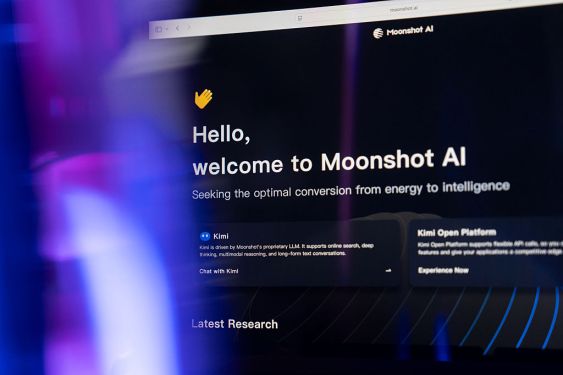
Anthropic’s Fable 5 model has seen a global return, accompanied by an industry-wide framework for scoring jailbreak severity, developed in collaboration with Amazon, Microsoft, and Google. This initiative underscores Anthropic’s dedication to responsible AI. Furthermore, Sonnet 5 delivers frontier performance across coding, agents, and professional work at scale, making it a powerful tool for developers and businesses. ZDNET highlights that Moonshot’s open-source Kimi K3 model has even surpassed Anthropic’s Fable 5 on certain benchmarks, indicating a competitive and rapidly advancing field.
Claude Code and Enterprise Solutions
Claude Code has evolved from an internal command-line interface into Anthropic’s coding agent, providing a robust solution for programming tasks. This development, along with Claude Science – a customizable app for researchers that integrates common tools and provides auditable artifacts – showcases Anthropic’s push into specialized enterprise applications. These tools are designed to enhance productivity and streamline complex workflows for professionals, making them key among the latest AI launches.
Commitment to AI Safety and Research
Anthropic continues to prioritize AI safety, inviting the public to pose their hardest questions about AI and committing to transparency in addressing them. The company also recently committed $10 million to Canadian AI research and appointed Ben Bernanke to its Long-Term Benefit Trust, reinforcing its dedication to ethical AI development and long-term societal benefit. More details on Fable 5’s cyber safeguards and their jailbreak framework further illustrate this commitment. Anthropic’s newsroom provides comprehensive updates on these initiatives.
OpenAI’s Recent Movements: Models and Legal Challenges
OpenAI, creators of ChatGPT, remains a central figure in the AI narrative, continuously refining its models and expanding its offerings. While specific details on recent launches are less explicit in the provided snippets, the broader context from TechCrunch and ZDNET indicates ongoing developments and significant industry impact.
GPT-5.6 and ChatGPT Work
ZDNET mentions OpenAI’s GPT-5.6 and ChatGPT Work aiming to compete with Anthropic on price, speed, and productivity. This suggests a continued focus on improving the efficiency and cost-effectiveness of their large language models for various applications. The goal is to provide powerful tools that can handle diverse tasks, from content generation to complex problem-solving, solidifying their position in the market for the latest AI launches.
Scrutiny and Industry Impact
OpenAI has also been in the news regarding legal challenges, particularly an Apple lawsuit that could disrupt its IPO plans. Additionally, Patreon has stopped asking AI bots not to scrape content and instead started blocking them, highlighting ongoing debates around data usage and intellectual property in the age of AI. These legal and ethical considerations are becoming increasingly important as AI models become more integrated into various industries, affecting how companies like OpenAI operate and innovate. TechCrunch provides ongoing coverage of these developments.
Why These New AI Launches Matter
The continuous stream of latest AI launches from tech giants like Google, Anthropic, and OpenAI signifies more than just technological progress; it represents a fundamental shift in how businesses operate, how individuals learn, and how we approach creative tasks. These advancements are making AI more accessible and powerful for a general audience, including creators, small business owners, students, and professionals.
- Increased Productivity: New models and tools are designed to automate mundane tasks, assist with complex problem-solving, and streamline workflows, freeing up human potential for more strategic work.
- Enhanced Creativity: From AI-powered video creation to advanced coding agents, these launches provide new avenues for creative expression and innovation across various fields.
- Improved Accessibility: Many new features focus on ease of use, making sophisticated AI capabilities available to non-technical users, thereby democratizing access to powerful technology.
- Societal Impact: AI is increasingly being deployed in areas like disaster prediction and cybersecurity, demonstrating its potential to address critical global challenges and improve public safety.
- Competitive Landscape: The intense competition among leading AI developers drives rapid innovation, leading to more efficient, capable, and specialized AI models for diverse applications.
What to Watch Next in AI
The pace of innovation in AI shows no signs of slowing down. As we look ahead, several key areas will continue to dominate the discussion and development of latest AI launches:
- Agentic AI Systems: Expect more sophisticated AI agents that can handle multi-step tasks, interact with various applications, and learn from user feedback to become even more autonomous.
- Ethical AI Development: The debates around data privacy, intellectual property, and AI safety will intensify, leading to new frameworks and regulations. Companies like Anthropic are already leading efforts in this space.
- Specialized AI Models: We will likely see a proliferation of highly specialized AI models tailored for specific industries or tasks, moving beyond general-purpose LLMs.
- Hardware Advancements: The demand for powerful computing resources will continue to drive innovation in GPU and inference chip technology, impacting the cost and capability of running advanced AI.
- Integration into Everyday Tools: AI will become even more seamlessly integrated into existing software and devices, from operating systems to productivity suites, making it an invisible yet powerful assistant.
Staying informed about these trends will be essential for anyone looking to leverage the power of AI in their personal or professional life. The future of AI promises continued transformation, offering exciting possibilities and new challenges. For more insights into how AI is changing our world, explore our AI automation tools section.
FAQ About New AI Launches
What is the bottom line on the latest AI launches?
The latest AI launches indicate a strong focus on making AI more agentic, specialized, and integrated into daily life. Major companies are enhancing their models for productivity, creativity, and critical applications like disaster resilience, while also addressing ethical considerations.
Who is most affected by these new AI launches?
These launches affect a broad audience, including general users who benefit from improved AI assistants, creators leveraging new generative tools, small business owners seeking automation, students utilizing AI for learning, and professionals across various industries looking to enhance productivity and problem-solving.
What are the main benefits and risks of the latest AI models?
Benefits: Increased efficiency, enhanced creativity, personalized learning experiences, and improved capabilities for addressing complex societal challenges. Risks: Concerns around data privacy, intellectual property, potential job displacement, and the ethical implications of increasingly autonomous AI systems.
How do these new AI launches compare with alternatives?
The AI landscape is highly competitive. While Google pushes its Gemini ecosystem, Anthropic focuses on safe and powerful Claude models for enterprise, and OpenAI continues to refine its GPT series. Each offers unique strengths in performance, specialization, and ethical approach, leading to a diverse range of options for users. For more comparisons, check out our new AI model breakthroughs.
What should readers check before deciding on a new AI tool?
Before adopting a new AI tool, consider its specific capabilities, how it integrates with your existing workflow, its cost, the developer’s commitment to safety and privacy, and user reviews. Evaluating these factors will help ensure the tool aligns with your needs and values.