Artificial intelligence continues to evolve at a rapid pace, making headlines almost daily. From faster language models to new robotics, the world of AI is constantly shifting, bringing both exciting opportunities and new challenges. Staying informed about the latest AI news is crucial for anyone looking to understand its impact on technology, business, and daily life.
This article cuts through the technical noise to deliver clear updates on recent AI breakthroughs, explain why they matter, and outline what to watch for next.
Table of Contents
- Quick Answer
- Key AI Developments You Need to Know
- Why These AI News Updates Matter
- Who is Affected by the Latest AI Trends?
- Navigating the AI Landscape: What to Watch Next
- Quick Facts: Recent AI Milestones
- FAQ
Quick Answer
The latest AI news highlights significant advancements across major players like OpenAI, Google, Microsoft, and Anthropic, including faster processing in large language models, expanded AI agent capabilities, and increased integration into everyday applications. These developments promise enhanced productivity and new ways of interacting with technology, while also raising important questions about data privacy and ethical use.
Key AI Developments You Need to Know
The AI landscape is bustling with activity, as leading companies push the boundaries of what artificial intelligence can achieve. Here’s a look at some of the most impactful recent announcements.
OpenAI’s Ultrafast GPT-5.6 Sol & Leadership Shifts
OpenAI has introduced ‘Ultrafast,’ a new mode for its GPT-5.6 Sol model, boasting a remarkable 14x speed increase. This enhancement aims to significantly reduce token costs and improve efficiency for users [Source]. Beyond technological leaps, OpenAI has also seen executive changes, including the hiring of a new Chief Revenue Officer as part of ongoing leadership adjustments [Source].
Google’s Agentic Gemini Era & DeepMind Innovations
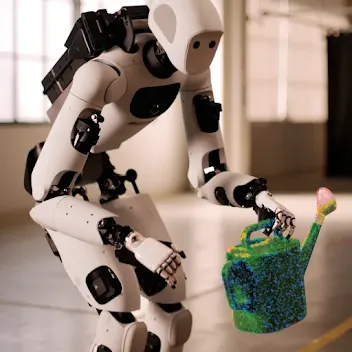
Google is ushering in an “agentic Gemini era,” emphasizing how its latest Gemini AI updates are becoming more proactive and integrated into daily workflows [Source]. The Gemini app now connects with even more applications and services, reaching over a billion monthly users. Recent “Gemini Drops” include new features and enhanced capabilities, making the AI assistant more versatile. Google DeepMind continues to drive significant research, introducing models like Gemini 3.7 Flash, which focuses on speed and efficiency. Their work also extends to specialized AI, such as WeatherNext for cyclone forecasting and Gemini Robotics ER 2, which aims to power advanced robotics with video understanding and multi-robot collaboration [Source]. Another notable development is AMIE, a research medical AI system demonstrating real-time clinical video consultation capabilities [Source].
Anthropic’s Claude Opus 5 & Enterprise Focus
Anthropic has unveiled Claude Opus 5, a significant upgrade to its Opus tier, designed to enhance long-running AI agents and deliver substantial improvements in coding and professional tasks [Source]. The company is actively expanding its partnerships, notably with Cognizant, to bring Claude’s advanced capabilities to enterprise clients. While pushing boundaries, Anthropic is also engaging in critical discussions around AI safety, proposing an industry-wide framework for scoring jailbreak severity and investigating real-world cybersecurity incidents in its evaluations. However, some users have expressed concerns regarding new watermarks that could identify the use of Claude in professional or academic settings [Source].
Microsoft’s Copilot Mergers & Feature Adjustments
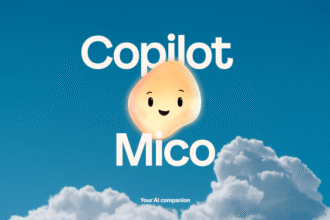
Microsoft is streamlining its AI offerings by merging Copilot and Copilot 365 into one unified application. This strategic move aims to provide a more cohesive user experience across its ecosystem. Concurrently, Microsoft is retiring three less successful AI features to focus resources on more impactful integrations [Source]. This consolidation reflects a broader industry trend towards simplifying AI access and maximizing utility within existing platforms.
Nvidia’s Strategic Moves & AI Hardware
Nvidia, a key player in AI hardware, has unveiled an ambitious $500 billion plan. This strategy is not without risks but is seen as brilliant, particularly for its implications for aging GPUs. The company is also making strides in open-source AI with its Nemotron 3.5 Lightning model, which is geared towards specialized, local agentic AI applications [Source]. These developments underscore the critical role of hardware innovation in supporting the escalating demands of advanced AI models.
Other Notable Mentions
In other significant latest AI news, Apple is reportedly in talks with publishers to enhance Siri’s current news capabilities [Source], signaling its intent to deepen AI integration within its core services. Amazon has also updated its policy, now training its AI models on Twitch streamers’ content by default, unless users opt out [Source]. The AI coding startup Cognition is reportedly seeking a $40 billion valuation, highlighting the intense investment interest in specialized AI applications [Source].
Why These AI News Updates Matter
These rapid advancements in AI news are not just technical milestones; they have profound implications for how we work, create, and interact with the digital world. The introduction of ‘Ultrafast’ modes in LLM updates, for instance, means that tasks requiring extensive language processing, such as content generation, data analysis, and complex coding, can be completed significantly faster and more cost-effectively. This directly translates into increased productivity for businesses and individuals, freeing up time for more strategic or creative endeavors.
The push towards “agentic AI,” exemplified by Google’s Gemini, signifies a shift from mere conversational tools to proactive assistants that can perform multi-step tasks autonomously. Imagine an AI that can not only answer your questions but also schedule meetings, manage your email, and even draft comprehensive reports with minimal human oversight. This level of AI automation has the potential to revolutionize industries, from customer service to scientific research, making complex operations more efficient and accessible.
Furthermore, the focus on specialized AI models, like Google DeepMind’s AMIE for medical consultations or Nvidia’s Nemotron for local agentic AI, indicates a future where AI isn’t just a general-purpose tool but a suite of highly refined instruments tailored for specific challenges. This specialization promises greater accuracy, reliability, and deeper impact within niche fields, addressing critical needs in areas like healthcare, climate forecasting, and advanced robotics. The ethical considerations around data usage, as seen with Anthropic’s watermarking and Amazon’s Twitch policy, also underscore the growing importance of responsible AI development and user awareness.
Who is Affected by the Latest AI Trends?
Virtually everyone connected to technology is touched by the latest AI news and trends, though the impact varies across different groups:
- General Readers: As AI integrates into everyday apps like search engines, virtual assistants (Siri, Gemini), and productivity suites (Copilot), general users will experience more intuitive and powerful digital interactions. However, they also need to be aware of evolving privacy policies and the ethical implications of AI.
- Creators: Artists, writers, musicians, and designers are seeing AI tools (like Lyria for music or advanced image generators) become powerful co-creators. While these tools offer unprecedented creative possibilities, they also spark debates about intellectual property and the future of creative professions.
- Small Business Owners: The advancements in AI automation tools and more efficient LLM updates mean small businesses can leverage sophisticated technology for tasks like marketing, customer support, and data analysis without needing extensive technical expertise. This levels the playing field, allowing smaller enterprises to compete more effectively.
- Students and Professionals: From coding assistants (Claude Code, Cognition) to research aids, AI is transforming education and professional development. Students can use AI for learning and project assistance, while professionals can streamline workflows, gain insights from vast datasets, and even develop new skills with AI-powered platforms.
- Developers and Researchers: These groups are at the forefront, building and refining the next generation of AI model breakthroughs. They are directly impacted by new frameworks, open-source models like Nemotron, and the continuous demand for innovation in AI safety and efficiency.
Navigating the AI Landscape: What to Watch Next
The trajectory of AI development suggests several key areas to monitor in the coming months and years:
- Further Agentic AI Evolution: Expect to see more sophisticated AI agents capable of handling increasingly complex, multi-step tasks across various domains. The goal is for AI to move beyond answering questions to actively anticipating needs and executing solutions.
- Specialized AI Models: The trend towards highly specialized AI models for niche applications (e.g., medical diagnostics, climate science, targeted robotics) will continue. These models promise deeper impact and more precise solutions than general-purpose AI.
- Ethical AI Governance and Regulation: As AI becomes more powerful and pervasive, discussions around ethical guidelines, data privacy, transparency, and accountability will intensify. Watch for new industry standards, governmental regulations, and open dialogues from leading AI research companies like Anthropic and Google DeepMind on responsible AI development.
- Hardware Innovation: The demand for processing power to run advanced AI models will continue to drive innovation in AI chips and hardware infrastructure. Companies like Nvidia will remain crucial, and breakthroughs in energy-efficient computing will be vital for sustainable AI growth.
- Seamless Integration into Everyday Life: AI will become even more embedded in the tools and platforms we use daily, often operating in the background to enhance user experience without explicit interaction. This includes more intelligent search, personalized content delivery, and proactive digital assistance.
- The Future of Work: The ongoing evolution of AI automation tools will continue to reshape job roles and industries. Staying adaptable, focusing on uniquely human skills, and learning to collaborate effectively with AI will be key for professionals.
Quick Facts: Recent AI Milestones
- 14x Speed Boost: OpenAI’s GPT-5.6 Sol ‘Ultrafast’ mode offers a 14-fold speed increase.
- 1 Billion+ Users: Google’s Gemini app now serves over a billion users monthly.
- $500 Billion Plan: Nvidia has outlined a massive strategic plan, impacting AI hardware development.
- Opus 5 for Agents: Anthropic’s Claude Opus 5 enhances long-running AI agents and coding tasks.
- Unified Copilot: Microsoft is merging Copilot and Copilot 365 into a single, streamlined application.
- Medical AI: Google DeepMind’s AMIE demonstrates real-time clinical video consultation capabilities.
FAQ
Q1: What is “agentic AI” and why is it important?
Agentic AI refers to artificial intelligence systems capable of understanding complex goals, planning multi-step actions, and executing those actions autonomously to achieve the desired outcome. Unlike traditional chatbots that respond to individual prompts, agentic AI can proactively manage tasks, integrate information from various sources, and adapt its approach. This is important because it moves AI beyond simple interaction to active problem-solving, promising significant gains in efficiency and automation across personal and professional domains. Google’s Gemini is a prime example of this evolving capability.
Q2: How do AI updates like “Ultrafast” modes affect daily users and businesses?
For daily users, faster AI models mean quicker responses from virtual assistants, more efficient content generation, and smoother experiences with AI-powered applications. For businesses, the impact is even more substantial. Reduced processing times and lower token costs (as seen with OpenAI’s ‘Ultrafast’ mode) translate into more cost-effective operations, faster data analysis, and the ability to scale AI-driven processes. This can lead to improved customer service, accelerated product development, and enhanced decision-making, ultimately boosting productivity and competitiveness.
Q3: What are the main ethical concerns arising from the latest AI news?
The rapid evolution of AI brings several ethical concerns to the forefront. Data privacy is a major issue, as AI models often require vast amounts of data for training, leading to questions about consent and usage (e.g., Amazon’s Twitch policy). Bias in AI, stemming from biased training data, can lead to unfair or discriminatory outcomes. The development of powerful AI agents also raises concerns about job displacement and the need for new workforce skills. Additionally, the potential for AI misuse, intellectual property rights (especially in creative fields), and the need for transparency and accountability in AI decision-making are ongoing challenges that require careful consideration and robust governance frameworks.