The world of artificial intelligence is constantly evolving, with major companies frequently unveiling significant advancements. Recently, Google and Anthropic have introduced new AI models and capabilities that promise to reshape how we interact with technology and automate tasks. These developments represent a crucial new launch in AI, pushing the boundaries of what’s possible in areas from robotics to creative work.
This article will break down the key updates from Google’s Gemini ecosystem and Anthropic’s Claude Opus 5, explaining what they are, why they matter, and who stands to benefit from these cutting-edge innovations. We’ll also touch on some of the challenges and what to anticipate next in this fast-paced field.
Quick Answer
Among the most significant recent developments in artificial intelligence are Google’s Gemini Robotics 2, Gemini 3.5 Flash, and Gemini 3.6 Flash models, alongside Anthropic’s powerful Claude Opus 5 and Sonnet 5. These new AI launches bring enhanced capabilities in robotics, faster processing, improved coding, and more sophisticated agentic AI, impacting general users, creators, and businesses alike.
Table of Contents
- Google’s Latest AI Innovations: The Gemini Era
- Anthropic’s Powerful New Models: Claude Opus 5 & Sonnet 5
- Why These New AI Launches Matter
- Who Is Affected by These AI Advancements?
- Risks, Uncertainties, and Ethical Considerations
- What to Watch Next in AI Development
- FAQ
Google’s Latest AI Innovations: The Gemini Era
Google continues to expand its Gemini AI ecosystem with several notable updates, emphasizing advancements in robotics, speed, and broader integration. These latest Gemini AI updates highlight Google’s commitment to developing more capable and accessible AI.
Gemini Robotics 2: Whole-Body Intelligence
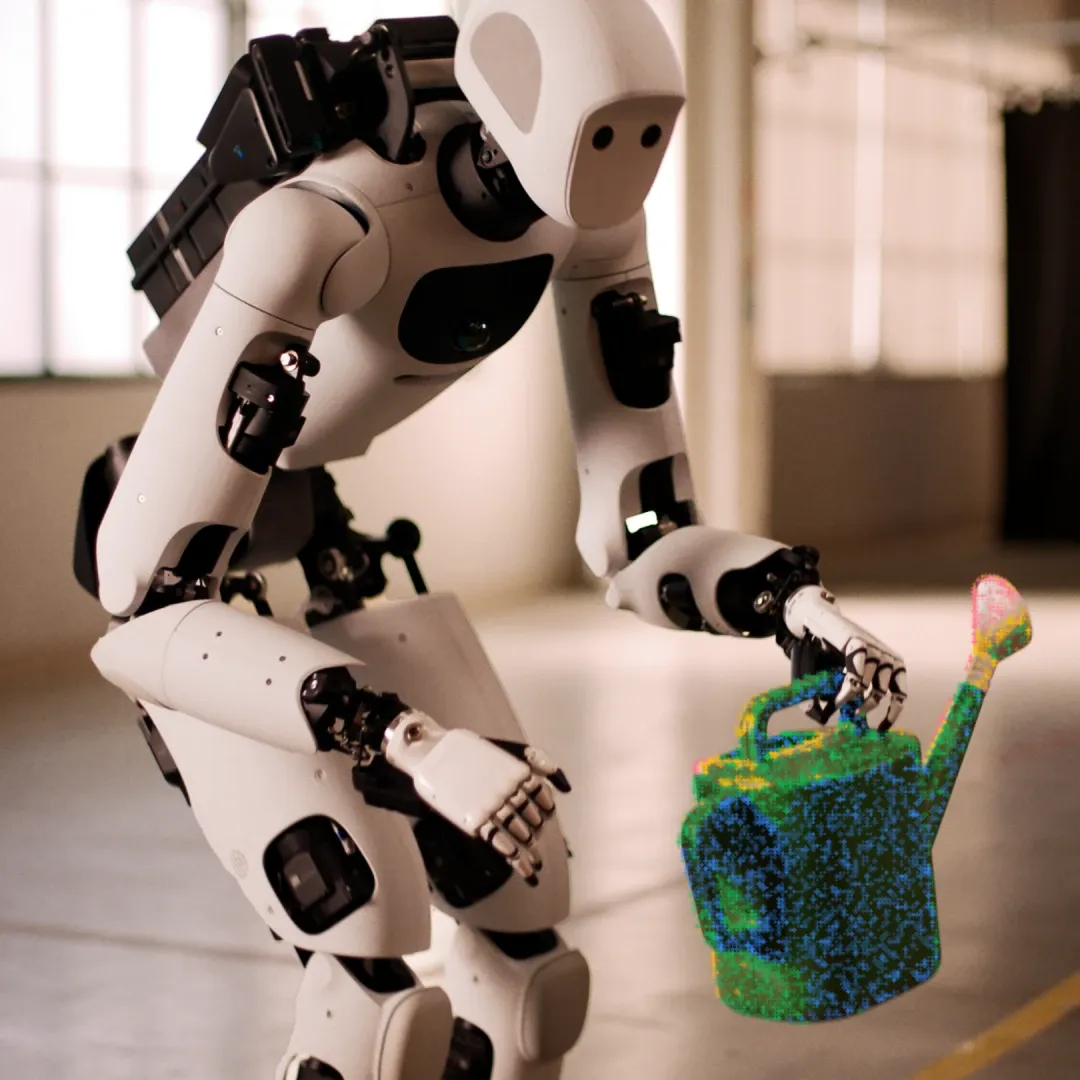
A significant new AI model launch in AI from Google DeepMind is Gemini Robotics 2. This advanced system aims to bring “whole-body intelligence” to robots, enabling them to understand and interact with the physical world in more sophisticated ways. Gemini Robotics 2 integrates video understanding, task orchestration, and even multi-robot collaboration. This means robots can now interpret complex visual cues, plan multi-step actions more effectively, and work together seamlessly on intricate tasks. For industries like manufacturing, logistics, and even healthcare, this could revolutionize automation, making robots more adaptable and efficient in dynamic environments. Imagine a warehouse where robots not only pick and place items but also understand the nuances of packaging and collaborate to assemble complex products without human intervention. This is a huge leap towards truly intelligent robotic systems.
Gemini 3.5 Flash, 3.6 Flash, and 3.5 Flash Cyber
Beyond robotics, Google has also rolled out new iterations of its large language models: Gemini 3.5 Flash, 3.6 Flash, and the specialized 3.5 Flash Cyber. The “Flash” designation indicates models optimized for speed and efficiency, making them ideal for tasks requiring rapid processing or operating within tight computational budgets. Gemini 3.5 Flash and 3.6 Flash offer enhanced performance across a variety of applications, from content generation and summarization to complex problem-solving. These models are designed to deliver high-quality outputs quickly, which is crucial for real-time applications and scaling AI services. Furthermore, Gemini 3.5 Flash Cyber introduces specific capabilities tailored for cybersecurity, helping professionals analyze threats, detect anomalies, and respond to incidents with greater speed and accuracy. This focus on specialized, efficient models demonstrates Google’s strategy to make AI both powerful and practical across diverse sectors.
Gemini App and macOS Integration
Google is also making its AI more accessible to everyday users. Recent updates to the Gemini App enhance its conversational abilities and utility, allowing users to get more done with natural language prompts. Additionally, Gemini for macOS now offers new natural language capabilities, seamlessly integrating AI assistance into the Mac operating system. This means Mac users can leverage Gemini for tasks like drafting emails, summarizing documents, or organizing information directly from their desktop, making productivity tools smarter and more intuitive. These integrations are key to bringing advanced AI out of specialized labs and into the hands of a broader audience, from students to small business owners.
The Google Earth AI Feature: A Lesson in Responsible AI
It’s also worth noting a recent development that serves as a valuable lesson in the responsible deployment of AI. Google briefly launched an AI feature within Google Earth that allowed users to easily alter images with AI prompts. However, it was quickly withdrawn, reportedly due to concerns about the potential for spreading misinformation. This incident underscores the critical importance of ethical considerations and robust safeguards in the development and release of powerful AI tools, especially those that can manipulate visual content. It highlights the ongoing challenge for tech companies to balance innovation with responsibility.
Anthropic’s Powerful New Models: Claude Opus 5 & Sonnet 5
Not to be outdone, Anthropic, a leading AI safety and research company, has also unveiled significant advancements with its latest Claude LLM updates, particularly Claude Opus 5 and Sonnet 5. These models represent Anthropic’s commitment to building reliable, interpretable, and steerable AI systems.
Claude Opus 5: A Step Change in Agentic AI
Claude Opus 5 is described as a “step change improvement” for the Opus tier, signaling a major leap in its capabilities, especially for powering long-running agents. This model delivers substantial improvements in coding, complex reasoning, and professional work. For developers, this means a more capable assistant for generating and debugging code. For professionals across various industries, Opus 5 can handle more intricate tasks, from drafting detailed reports to analyzing large datasets and executing multi-step projects autonomously. The focus on “long-running agents” suggests that Opus 5 can maintain context and pursue goals over extended interactions, making it highly valuable for complex AI automation tools and sophisticated workflows where sustained intelligence is required.
Sonnet 5: Frontier Performance at Scale
Alongside Opus 5, Anthropic also launched Sonnet 5, which offers “frontier performance across coding, agents, and professional work at scale.” While Opus 5 targets the highest-tier, most complex applications, Sonnet 5 is designed to provide excellent performance for a broader range of enterprise and developer needs, balancing capability with efficiency. This model is crucial for businesses looking to integrate advanced AI into their operations without necessarily requiring the absolute peak performance of Opus 5 for every task. It offers a powerful, yet more accessible, option for scaling AI applications across an organization.
Frontier Red Teaming and Ethical AI
Anthropic places a strong emphasis on AI safety and responsible development. The company is actively engaged in “Frontier Red Teaming,” which involves rigorously testing its models for potential vulnerabilities, biases, and misuse cases. They recently investigated three real-world incidents in their cybersecurity evaluations, demonstrating a proactive approach to identifying and mitigating risks. Furthermore, Anthropic is proposing an industry-wide framework for scoring jailbreak severity, collaborating with major tech players like Amazon, Microsoft, and Google. This commitment to transparency and ethical AI development is vital for building public trust and ensuring that these powerful new AI models are deployed safely and beneficially.
Why These New AI Launches Matter
These recent AI launches from Google and Anthropic are more than just incremental updates; they signify a rapid acceleration in AI capabilities with far-reaching implications.
Increased Capabilities and Efficiency
The new models offer unprecedented levels of intelligence, speed, and versatility. From robots that can understand and collaborate to AI assistants that can manage complex professional tasks, the efficiency gains are substantial. This means businesses can automate more intricate processes, researchers can accelerate discoveries, and individuals can enhance their productivity.
Accessibility and Integration
With models like Gemini Flash and the Gemini App integrating into everyday devices and operating systems, advanced AI is becoming more accessible. This democratization of AI tools allows a wider range of users, from small business owners to creative professionals, to leverage powerful technology without needing deep technical expertise.
Driving Innovation and Competition
The competitive landscape between AI giants like Google and Anthropic (alongside OpenAI and others) is a powerful driver of innovation. Each new launch pushes the boundaries further, leading to a virtuous cycle of development that benefits the entire tech ecosystem. This continuous advancement is crucial for addressing complex global challenges, from scientific research to climate resilience.
Who Is Affected by These AI Advancements?
The impact of these latest AI news and launches is broad, touching various sectors and individuals:
Developers and Researchers
They gain access to more powerful and efficient tools for building new applications, conducting experiments, and pushing the frontiers of AI research. Models like Gemini 3.5/3.6 Flash and Claude Opus 5/Sonnet 5 provide better foundations for complex projects.
Businesses and Enterprises
Companies can leverage these models for enhanced AI automation tools, customer service, data analysis, content creation, and strategic decision-making. Industries like finance, marketing, and legal can see significant improvements in operational efficiency and new service offerings.
General Users and Creators
Everyday users benefit from more intelligent digital assistants (like the Gemini App), improved search capabilities, and creative tools that can generate text, code, or even assist with music composition (as seen with Lyria 3.5). Creators can use these tools to streamline workflows and explore new artistic avenues.
Robotics and Manufacturing
Gemini Robotics 2 specifically targets these sectors, promising more autonomous, adaptable, and collaborative robotic systems that can transform production lines and logistics.
Cybersecurity Professionals
With specialized models like Gemini 3.5 Flash Cyber, security experts gain advanced tools for threat detection, incident response, and proactive defense against increasingly sophisticated cyber threats.
Risks, Uncertainties, and Ethical Considerations
While the benefits of these AI advancements are clear, it’s equally important to acknowledge the inherent risks and uncertainties. The rapid evolution of AI brings challenges such as:
- Misinformation and Deepfakes: The Google Earth AI feature incident highlighted how easily powerful generative AI can be misused to create convincing but false content, posing significant societal risks.
- Bias and Fairness: AI models learn from vast datasets, which can sometimes reflect existing societal biases, leading to unfair or discriminatory outputs if not carefully managed.
- Job Displacement: As AI automation becomes more sophisticated, there are concerns about the impact on various job roles, necessitating discussions around workforce retraining and new economic models.
- Security Vulnerabilities: Advanced AI systems themselves can become targets for malicious actors, and their deployment requires robust security measures.
- Ethical Governance: The need for strong ethical guidelines, regulatory frameworks, and industry collaboration (like Anthropic’s red-teaming initiatives) is paramount to ensure AI develops responsibly and benefits humanity as a whole.
What to Watch Next in AI Development
The AI landscape is dynamic, and several key trends will define the next phase of innovation:
Further LLM Evolution
Expect continued advancements in latest LLM updates, focusing on larger context windows, improved reasoning, multimodal capabilities (seamlessly handling text, images, video, and audio), and more nuanced understanding of human intent.
Agentic AI Growth
The development of AI agents capable of planning, executing, and monitoring complex, multi-step tasks autonomously will accelerate. This includes agents that can interact with various software tools and real-world environments, similar to the goals of Gemini Robotics 2 and Claude Opus 5’s long-running agents.
Specialized AI Models
We’ll likely see more domain-specific AI models, like Gemini 3.5 Flash Cyber, tailored to excel in particular industries or functions, offering highly optimized performance for niche applications.
Responsible AI Practices and Governance
As AI becomes more powerful, the emphasis on safety, transparency, and ethical guidelines will intensify. Collaborative efforts among companies and governments to establish standards and regulations will be crucial.
Hardware and Infrastructure Innovations
The computational demands of advanced AI models will continue to drive innovation in specialized AI hardware (like GPUs and TPUs) and data center infrastructure, impacting energy consumption and sustainability discussions.
FAQ
What is the primary focus of Google’s recent AI launches?
Google’s recent AI launches, particularly within the Gemini ecosystem, focus on enhancing capabilities in robotics (Gemini Robotics 2), improving speed and efficiency for various tasks (Gemini 3.5/3.6 Flash), and integrating AI more seamlessly into user-facing applications like the Gemini App and macOS.
How does Anthropic’s Claude Opus 5 differ from previous models?
Claude Opus 5 represents a “step change improvement” for Anthropic, specifically designed to power more sophisticated, long-running AI agents. It offers significant advancements in complex reasoning, coding, and professional work, enabling it to handle multi-step tasks with greater autonomy and precision compared to its predecessors.
Who benefits most from these new AI developments?
A wide range of individuals and organizations benefit, including AI developers and researchers, businesses seeking enhanced automation and efficiency, general users looking for smarter digital assistants, creators leveraging AI for content generation, and professionals in specialized fields like robotics and cybersecurity.
What are the main ethical concerns surrounding these powerful new AI models?
Key ethical concerns include the potential for generating misinformation and deepfakes, the amplification of biases present in training data, job displacement due to increased automation, security vulnerabilities of AI systems, and the overarching need for robust ethical governance and safety measures to prevent misuse and ensure beneficial development.