The world of artificial intelligence is moving at an incredible pace, with major players like OpenAI, Google, and Anthropic continually rolling out significant advancements. The latest latest AI news brings exciting developments, from new model launches to enhanced capabilities in existing platforms. This article breaks down the most crucial updates, explaining what happened, why it matters, who it affects, and what to keep an eye on next.
Quick Takeaways: Key AI Updates at a Glance
- OpenAI’s GPT-5.6: Launched as a new family of models, it’s now the preferred model for Microsoft Copilot 365, focusing on improved performance and integration.
- Google Gemini Expansion: Google DeepMind introduced Gemini Omni and Nano Banana 2 Lite, alongside computer use in Gemini 3.5 Flash and personalized image creation in the Gemini app.
- Anthropic’s Claude Evolution: Fable 5 is set for global release, and Sonnet 5 is delivering frontier performance for coding and professional tasks. Claude Science also launched as an AI workbench for scientists.
- Ethical & Practical Shifts: Google will now label AI-generated ads, and Meta is offering users control over their Instagram posts being used for AI image generation.
Table of Contents
- The Latest AI Update: What’s New from OpenAI, Google, and Anthropic
- Why These AI Updates Matter for You
- Who is Affected by These AI Updates?
- What to Watch Next in the AI Landscape
- FAQ
The Latest AI Update: What’s New from OpenAI, Google, and Anthropic
Recent weeks have seen a flurry of activity across the artificial intelligence landscape, with leading developers unveiling powerful new models and features. These latest LLM updates are reshaping how we interact with AI, from everyday tasks to complex professional applications.
OpenAI’s GPT-5.6 and Beyond
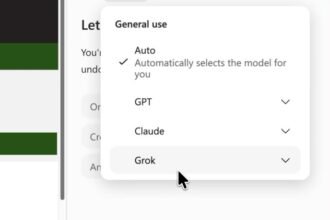
OpenAI has officially launched its new family of models, GPT-5.6, which is already being positioned as the “preferred model” for Microsoft Copilot 365. This move highlights a continued push towards deeper integration of advanced AI into productivity tools, making AI more accessible and powerful for everyday users and professionals alike. Furthermore, OpenAI is reportedly shutting down Atlas, its AI browser ambitions, suggesting a strategic pivot towards core model development and integration rather than standalone browser products (TechCrunch).
Google’s Expansive Gemini Ecosystem
Google DeepMind has been particularly active, introducing several significant updates to its Gemini family of models. Key announcements include Gemini Omni and Nano Banana 2 Lite, expanding the range and capabilities of their offerings. Gemini 3.5 Flash now supports computer use, allowing for more complex interactions and tasks. The Gemini app is also bringing personalized image creation to more users, making generative AI tools more widely available for creative endeavors. Developers can also look forward to expanding Managed Agents in the Gemini API, enhancing AI automation possibilities (Google Blog, Google DeepMind).
Anthropic’s Claude: Performance and Safety
Anthropic, known for its focus on AI safety, is also making strides with its Claude models. Fable 5 is slated for global release on July 1st, promising advanced capabilities. Meanwhile, Sonnet 5 is already delivering “frontier performance” across coding, agentic tasks, and professional workloads, demonstrating Anthropic’s commitment to robust and reliable AI systems. For researchers, the introduction of Claude Science provides a customizable AI workbench integrating common tools and packages, designed to produce auditable artifacts and offer flexible access to computing resources (Anthropic Newsroom). Anthropic is also collaborating with major tech companies like Amazon, Microsoft, and Google on an industry-wide framework for scoring jailbreak severity, emphasizing their dedication to responsible AI development.
Why These AI Updates Matter for You
These rapid advancements aren’t just technical milestones; they have tangible impacts on how individuals and businesses operate. Understanding the implications helps you leverage these tools effectively and navigate potential challenges.
Enhanced Productivity and Creative Tools
The integration of models like GPT-5.6 into platforms like Microsoft Copilot 365 means that AI assistance for writing, data analysis, and task management is becoming more sophisticated and seamless. For small business owners and professionals, this translates to improved efficiency and new ways to automate routine tasks. Google’s personalized image creation in the latest Gemini AI updates empowers creators and marketers to generate unique visuals quickly, while Anthropic’s Sonnet 5 offers powerful capabilities for developers and those in coding-intensive roles. The rise of AI agents, which can even run fundraising rounds or handle non-coding jobs, signifies a shift towards more autonomous and capable AI AI automation tools (TechCrunch, ZDNET).
New Ethical Considerations and User Control
As AI becomes more pervasive, so do the discussions around its ethical use. Google has announced that it will now disclose which ads are made with AI, providing greater transparency for consumers (TechCrunch). Similarly, Meta has introduced a new AI tool that allows others to use your Instagram posts for image generation, but crucially, it also provides users with an opt-out mechanism, giving individuals more control over their digital content (ZDNET). These developments highlight an increasing focus on accountability and user rights in the evolving AI landscape.
Who is Affected by These AI Updates?
Virtually everyone who interacts with technology will feel the ripple effects of these AI advancements. Here’s a breakdown of key groups:
- General Users: From enhanced chatbots like ChatGPT’s Live Voice upgrade (ZDNET) to personalized image generation, daily digital experiences are becoming more interactive and creative. Users need to be aware of privacy settings, especially regarding data usage for AI training.
- Professionals & Small Business Owners: New AI models and automation tools offer significant boosts in productivity, from drafting emails to managing complex projects. Companies embracing AI are even hiring more people, including entry-level positions, indicating a growth in AI-related job markets (ZDNET).
- Developers & Researchers: With new APIs (like Gemini’s Managed Agents) and specialized workbenches (like Claude Science), the tools for building and experimenting with AI are becoming more powerful and accessible. This fuels further innovation and research into safer, more capable AI systems.
- Marketers & Advertisers: The ability to generate AI content and the new transparency rules for AI-made ads (TechCrunch) mean a shift in strategy and a greater need for ethical considerations in campaign development.
What to Watch Next in the AI Landscape
The pace of AI development shows no signs of slowing. Here are a few areas to monitor:
- Agentic AI Evolution: Expect to see more sophisticated AI agents capable of handling multi-step tasks and interacting with various software independently. This could revolutionize personal and professional workflows.
- AI Safety and Ethics: As models become more powerful, the industry-wide efforts to establish safety frameworks and address issues like “jailbreaking” (Anthropic Newsroom) will intensify. User control over personal data used by AI will also remain a critical discussion point.
- Specialized AI Applications: Beyond general-purpose LLMs, anticipate a surge in highly specialized AI tools tailored for specific industries, from healthcare (61% of US adults now use AI for health info, up from 2% in 2024 – ZDNET) to construction and urban planning (Google DeepMind).
- Hardware Innovation: The demand for more powerful computing to run these advanced AI models will drive further innovation in AI chips and infrastructure.
FAQ
What is the bottom line on the latest AI update?
The latest AI update reveals a landscape dominated by rapid advancements from OpenAI, Google, and Anthropic, focusing on more powerful language models (GPT-5.6, Gemini Omni, Sonnet 5), enhanced creative tools (personalized image generation), and a growing emphasis on AI automation and ethical considerations like transparency in AI-generated content and user control over data.
Who is this AI update best for or most relevant to?
These updates are highly relevant to a broad audience: general users benefiting from improved chatbots and creative apps, professionals seeking productivity gains, developers building new AI applications, and businesses looking to integrate AI automation. Anyone interested in the future of technology and its impact on daily life will find these updates significant.
What are the main benefits and risks of recent AI updates?
Benefits include significantly increased productivity, enhanced creative capabilities, and more sophisticated automation tools for various tasks. Risks involve ethical concerns around data usage, the potential for AI-generated misinformation (like undisclosed AI ads), and the ongoing challenge of ensuring AI systems are reliable and safe.
How do these AI models compare with alternatives?
The models from OpenAI (GPT-5.6), Google (Gemini Omni, Gemini 3.5 Flash), and Anthropic (Fable 5, Sonnet 5) represent the cutting edge of large language models. While each has unique strengths—OpenAI for broad application integration, Google for a wide ecosystem and agentic capabilities, and Anthropic for safety and specialized professional tasks—they collectively drive the industry forward, often competing on performance, price, speed, and productivity (ZDNET).
What should readers check before deciding on an AI tool?
Before adopting an AI tool, readers should evaluate its specific features against their needs, consider its integration capabilities with existing workflows, review its privacy policies and data usage practices, and look for transparency regarding AI-generated content. Checking user reviews and understanding the model’s limitations and ethical safeguards is also crucial for an informed decision.